16// Experimenting with Adobe Aero

In this post, I will share my experience using Adobe Aero, an augmented reality tool developed by Adobe. This powerful platform allows users to create immersive experiences by overlaying digital content—such as images, animations, and 3D models—onto the real world through the lens of a smartphone or tablet.

The Process of Creating Interactive Posters with Adobe Aero

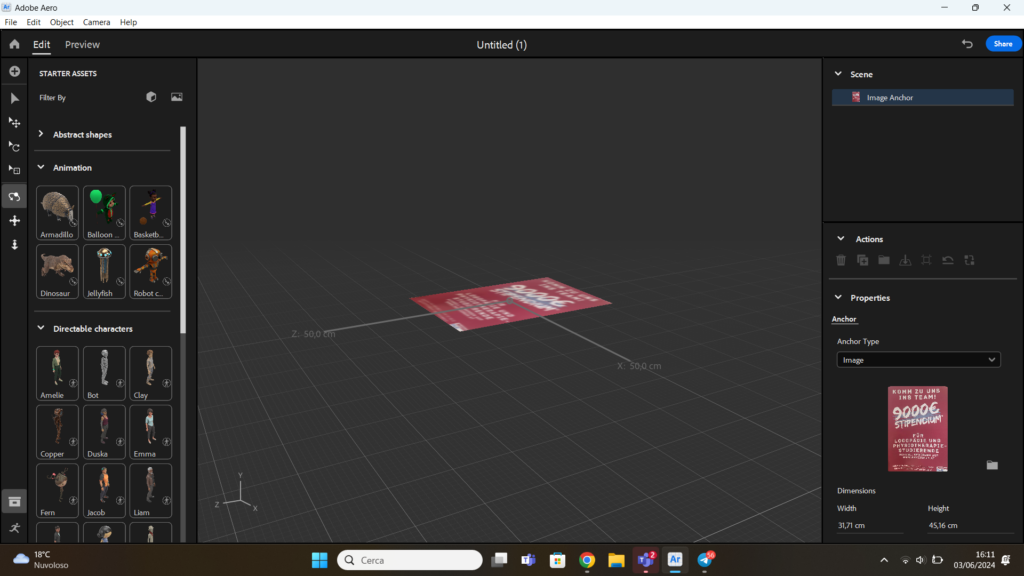
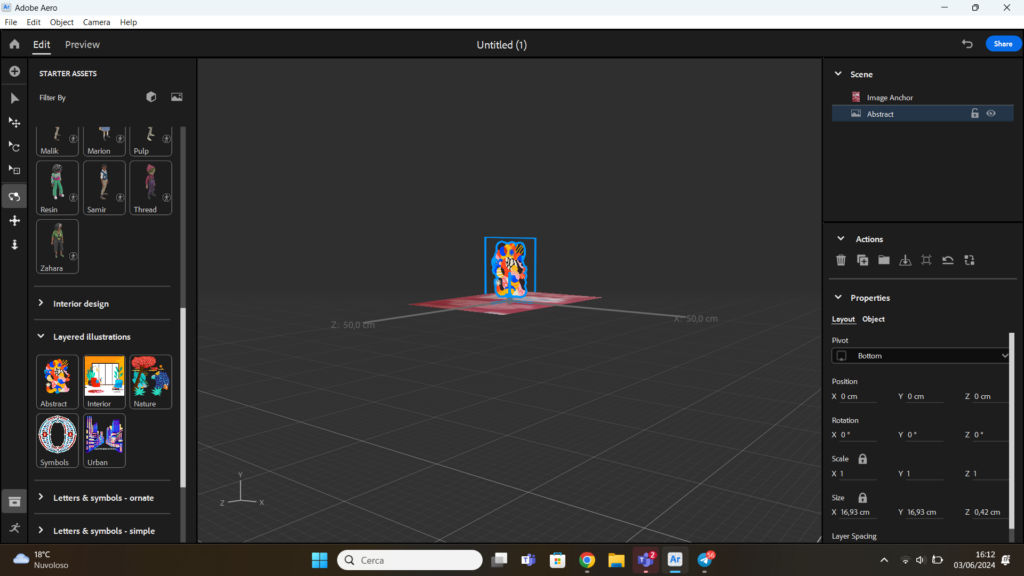
Creating an interactive poster with Adobe Aero is a straightforward process. Firstly, an image should be imported into the program. This image will serve as the basis for the augmented reality experience and will be scanned by users in its printed form.

Next, Adobe Aero allows the incorporation of additional images or 3D models into the poster, enhancing its interactivity. The program also offers a variety of 3D assets that can be readily used.

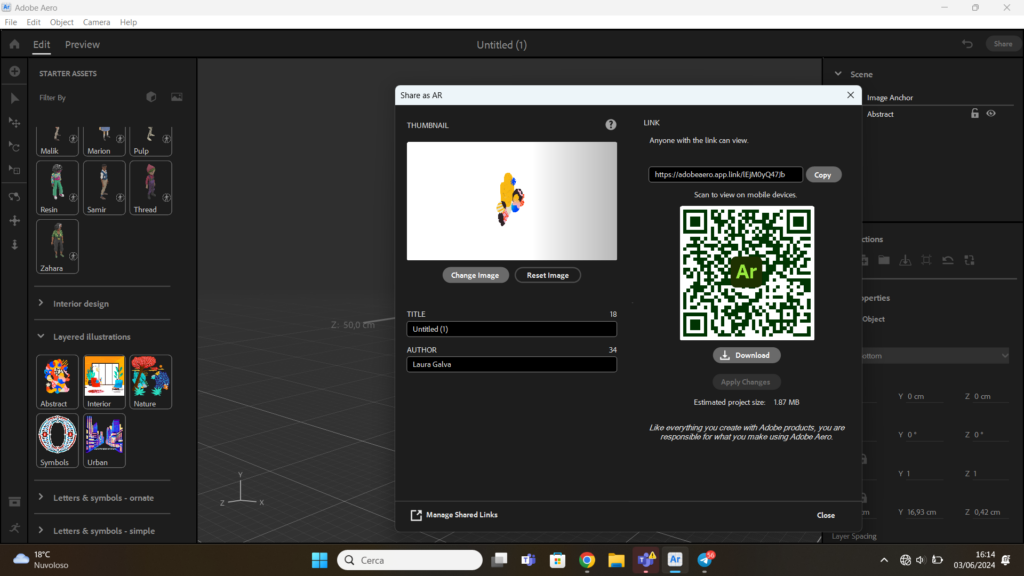
When the creation is ready, clicking on ’share‘ will generate a QR code. This QR code enables spectators to view the artwork and, if necessary, prompts them to install the app on their phones. After installing the app, users can see the augmented reality artwork come to life.

Artivive vs. Adobe Aero

In comparison to Artivive, Adobe Aero offers more possibilities for creative expression. Not only can images be connected to videos, but 3D models can also be implemented. When adding elements in Adobe Aero, they appear in the 3D plane and can be easily positioned.

However, while Adobe Aero offers more features, it is not as straightforward as Artivive. Firstly, creating an artwork with Adobe Aero requires a laptop, whereas Artivive can be used directly from a smartphone. Secondly, Adobe Aero’s interface may not be as immediately intuitive as Artivive’s, necessitating a learning curve for users.

In terms of performance, Adobe Aero occasionally exhibits glitches and self-blocking issues, reflective of its ongoing development phase, as it is still offered in a beta version.

Conclusion

In conclusion, Adobe Aero is an efficient tool for creating augmented reality experiences, especially useful for integrating 3D models. However, for an easier process of connecting images to videos, Artivive may be more intuitive. Both platforms have their unique strengths and can be chosen based on the specific needs of the project.

15// QR Code Scannability: an Experiment

QR codes are widely used for connecting digital content to physical media. To understand their scannability and limitations, I conducted an experiment. Here’s what I found, based on best practices and my own tests.

Best Practices for QR Code Scanning

According to various articles read online and mainly referring from an article published by the Nielsen Norman Group, these are the best practices while using Qr Codes.

  1. Color Contrast and Light Mode:
    • Foreground and Background: Use a dark foreground on a light background. Dark colors absorb more light, creating clearer edges for scanning technologies, which is crucial in extreme lighting conditions.
    • Avoid Inverted Colors: Modern devices might scan inverted QR codes, but not all technologies, especially in physical locations, can handle them reliably.
  2. Minimum Size Considerations:
    • Official Minimum Size: The recommended minimum size is 1 cm x 1 cm (0.4 inches x 0.4 inches), but a larger size is more reliable.
    • Optimal Minimum Size: A size of 2 cm x 2 cm (0.8 inches x 0.8 inches) is more reliable, accounting for variations in scanning technology and user environments.
  3. Distance and Size Relationship:
    • Scaling with Distance: Increase the QR code size based on the expected scanning distance. For every 10 cm of distance, add 1 cm to the code dimensions. Example: For a 10 cm scanning distance, the code can be 1 cm x 1 cm. For a 50 cm distance, the code should be at least 5 cm x 5 cm.

My Experiment: Testing QR Code Sizes and Backgrounds

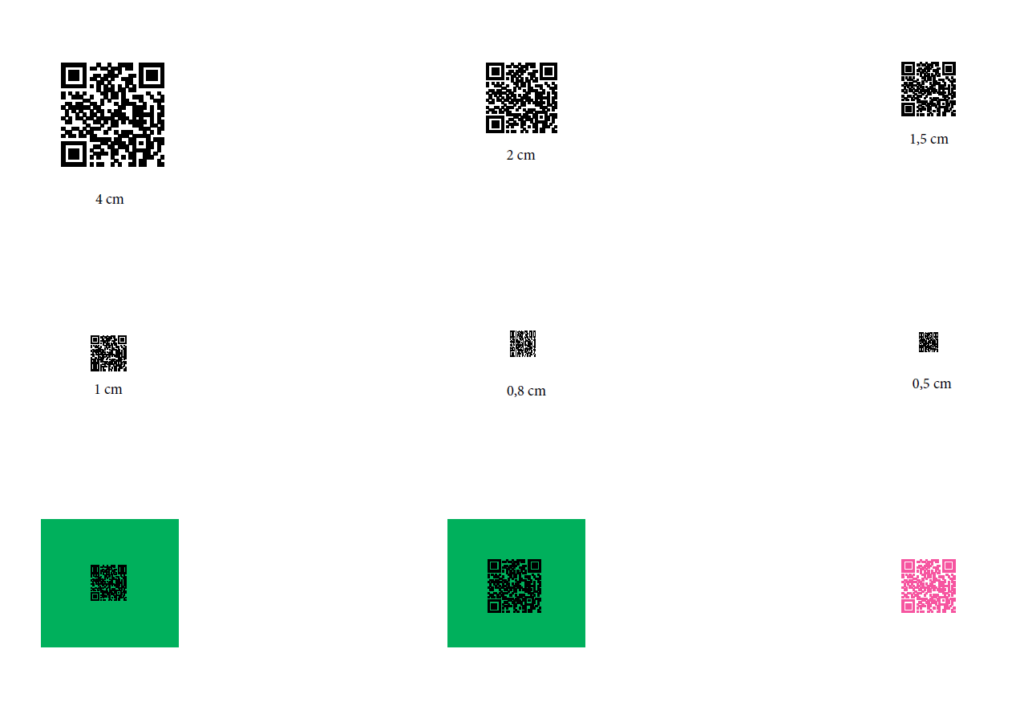
To verify these guidelines, I printed QR codes of various sizes and backgrounds and tested their scannability with my phone. Here are my findings:

Less than 1 cm: I could not scan the QR code.

1 cm x 1 cm QR Codes:

  • Plain Background: My phone could scan a 1 cm x 1 cm QR code on a plain background, but it took some time to recognize it.
  • Colorful Background: Scanning a 1 cm x 1 cm QR code on a colorful background was problematic and time-consuming, often failing to recognize the code.
  • Colorful QR Code: Scanning a colorful QR code of this size was also problematic and time-consuming, often failing to recognize the code.

1.5 cm x 1.5 cm QR Codes or bigger:

  • Plain Background: These codes were easily scannable with no delay.
  • Colorful Background: My phone could recognize these codes reliably even with a colorful background.
  • Colorful QR Code: Scanning a colorful QR code of this size was also very easy.

Conclusion

In conclusion, I would say that what was written on the guidelines was very similar to what I experimented. However, most of the times having a colorful background or Qr Code posed no problems to scanning, problems arose only when the QR code size was reduced to 1 cm.

Sources

https://www.nngroup.com/articles/qr-code-guidelines/#:~:text=Aim%20for%20a%20minimum%20size,and%20width%20of%20the%20code.

The Poem & First Drafts


Slow Dance – Poem by David L. Weatherford

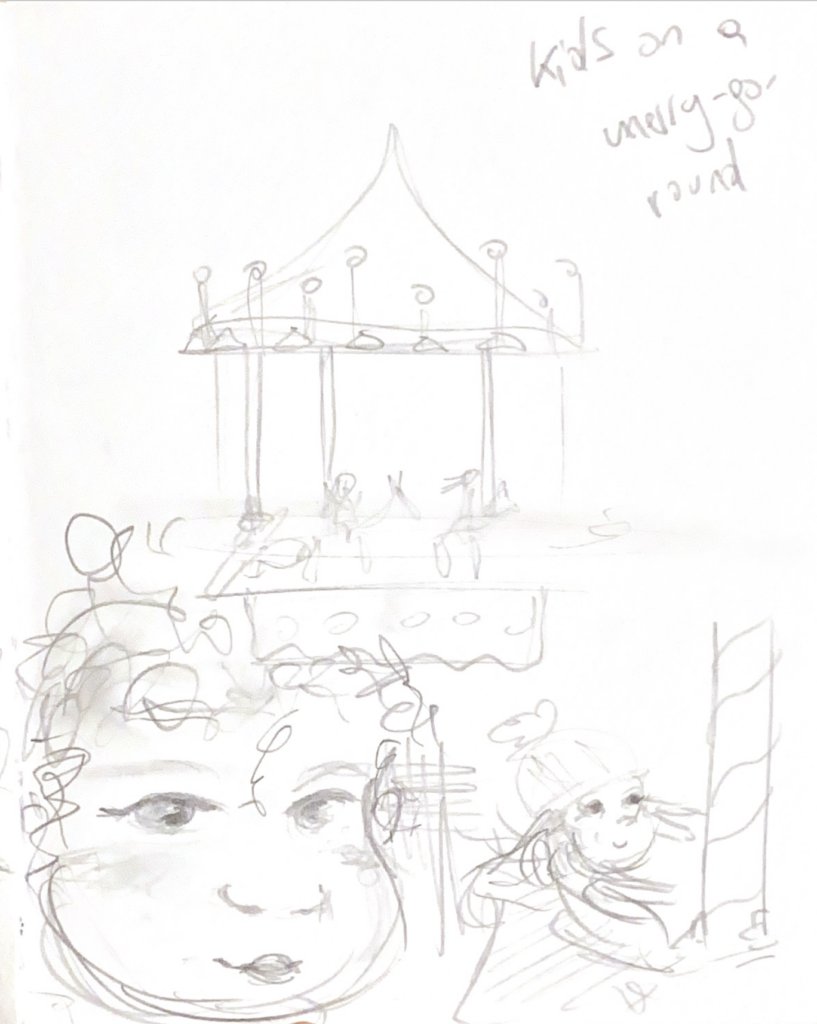
Have you ever watched kids
On a merry-go-round?

Or listened to the rain
Slapping the ground?

Ever followed a butterfly’s erratic flight?
Or gazed at the sun into the fading night?

You better slow down
Don’t dance so fast.

Time is short.
The music won’t last.

Do you run through each day
On the fly?

When you ask: How are you?
Do you hear the reply?

When the day is done,
Do you lie in your bed

With the next hundred chores
Running through your head?

You’d better slow down.
Don’t dance so fast.

Time is short.
The music won’t last.

Ever told your child,
We’ll do it tomorrow?

And in your haste,
Not see his sorrow?

Ever lost touch,
Let a good friendship die

Cause you never had time
To call and say, “Hi”?

You’d better slow down
Don’t dance so fast.

Time is short.
The music won’t last.

When you run so fast to get somewhere
You miss half the fun of getting there.

When you worry and hurry through the day,
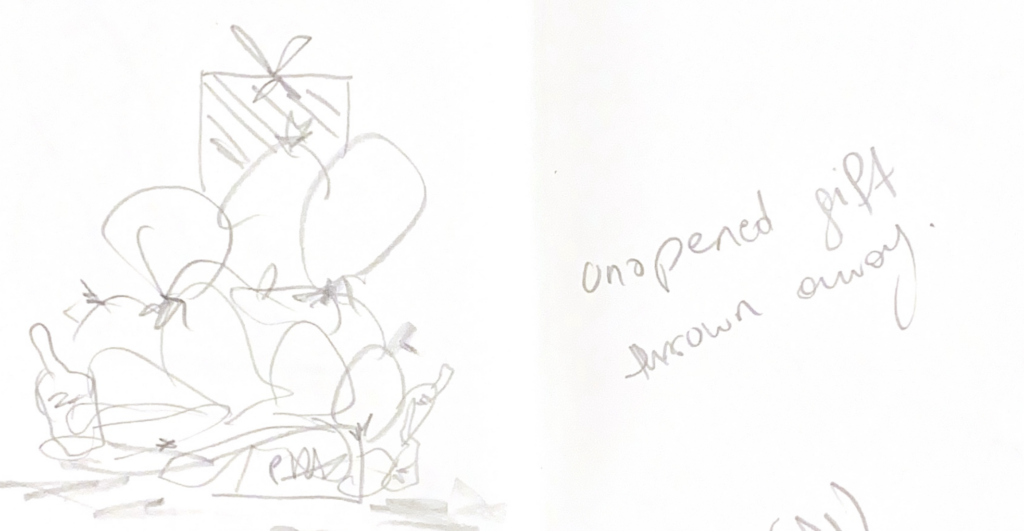
It is like an unopened gift thrown away.

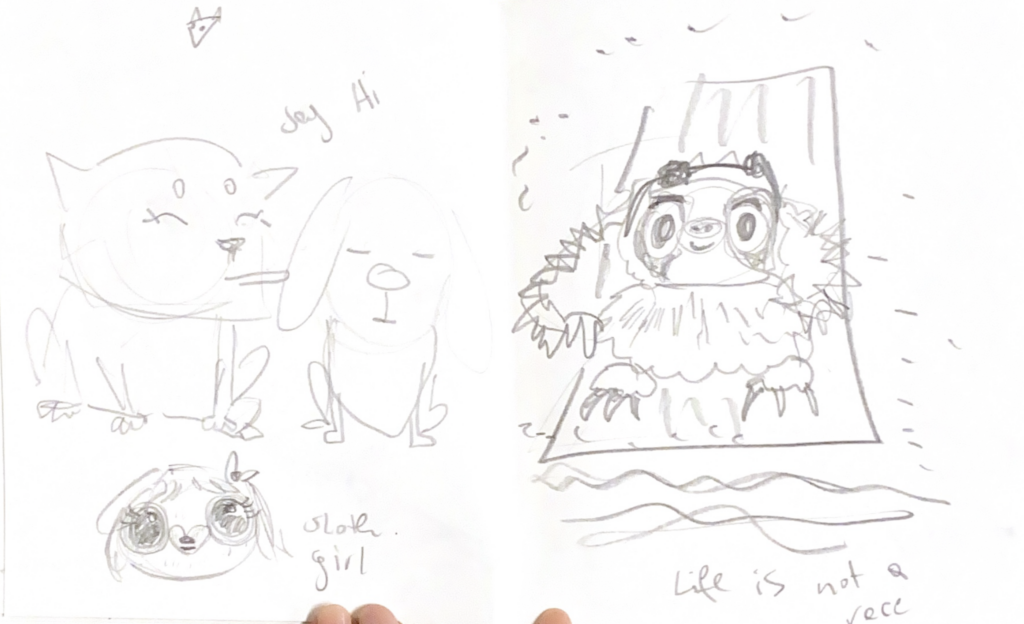
Life is not a race.
Do take it slower.

Hear the music
Before the song is over.

Revolutionizing Poetry and Philosophy Through Graphic Design: A New Era with AI and Multidisciplinary Approaches

As a graphic designer, I find myself at the intersection of art and technology, holding a unique position to bridge the gap between traditional art forms and modern audiences. With the decline in popularity of poetry and philosophy among younger generations, there’s an urgent need to reimagine how these timeless subjects are presented. By taking inspiration from influential figures like Rupi Kaur and embracing the latest technological advancements, I aim to make philosophy and poetry cool again.

The Inspiration of Rupi Kaur

Rupi Kaur has transformed the landscape of modern poetry. Through her minimalist illustrations and relatable, poignant verses, she has captivated a global audience, particularly among millennials and Gen Z. Her success underscores the power of visual storytelling and the impact of combining text with art. By following her example, I plan to visualize the poem „Slow Dance“ by David L. Weatherford, using a variety of drawing styles and mediums to create a dynamic and engaging experience.

Visualizing ‚Slow Dance‘

„Slow Dance“ is a poem that calls for reflection and the appreciation of life’s simple pleasures. To bring this poem to life, I envision a project that incorporates different artistic styles and mediums, creating a rich, multidimensional experience. Here’s how I plan to do it:

  1. Illustrative Styles: Using a mix of hand-drawn illustrations and digital art, I will create a series of images that encapsulate the poem’s themes. Each stanza could be represented by a different style, from watercolor to line art, reflecting the diverse emotions and thoughts conveyed by the poem.
  2. Photography: Integrating photography can add a layer of realism and relatability. Capturing moments that resonate with the poem’s message—like a couple dancing under the stars or a child playing—can make the verses more tangible and evocative.
  3. AI and Digital Tools: Utilizing AI to enhance and animate the illustrations can add a futuristic touch. AI-generated art can offer new perspectives and interpretations, making the poem more accessible and engaging to tech-savvy audiences. Tools like DALL·E and MidJourney can help create surreal and dreamlike visuals that complement the poem’s introspective nature.

Multidisciplinary Approach

As a graphic designer, working with a multidisciplinary approach is crucial in today’s rapidly evolving creative landscape. Here’s why:

  1. Engaging Diverse Audiences: By blending different mediums, I can cater to various preferences and age groups. Children might be drawn to colorful illustrations and animations, while adults might appreciate the depth added by photography and AI art.
  2. Innovation and Relevance: Staying updated with the latest technologies like AI ensures that my work remains relevant and competitive. AI tools not only expand creative possibilities but also streamline the design process, allowing for more experimentation and innovation.
  3. Enhanced Storytelling: Combining different art forms enhances the storytelling experience, making the poem more immersive. This multidisciplinary approach can help convey the philosophical and poetic messages in a way that resonates with contemporary audiences.

Taking Inspiration from Animation Giants

Taking inspiration from major animation studios like Disney and Pixar, I aim to create visuals that resonate with both young and old audiences. These studios masterfully tell stories that entertain and educate, making their films timeless treasures for all ages. By adopting a similar style, I hope to craft illustrations that are not only visually appealing but also rich in narrative and meaning. This approach ensures that the illustrated poem „Slow Dance“ will captivate children with its vibrant imagery while offering deeper layers of interpretation and reflection for adults.

The Future of Poetry and Philosophy in Visual Art

The illustrated version of „Slow Dance“ will not only engage and entertain but also serve as a bridge between traditional and modern artistic expressions. By making these subjects visually appealing and accessible, we can reignite interest and appreciation for poetry and philosophy among younger generations.

In conclusion, as a graphic designer, I have the tools and creativity to make poetry and philosophy cool again. By drawing inspiration from trailblazers like Rupi Kaur and embracing multidisciplinary approaches and AI technology, I can create compelling visual experiences that bring these timeless art forms into the 21st century. Through innovation and creativity, we can ensure that the profound beauty and wisdom of poetry and philosophy continue to inspire and resonate with audiences of all ages.


Sources:

  • Kaur, Rupi. „Milk and Honey“ (2014) and „The Sun and Her Flowers“ (2017)
  • Weatherford, David L. „Slow Dance“

By reimagining how we present these art forms, we can not only preserve their relevance but also ensure their continued growth and influence in our rapidly changing world.
Poetry and Philosophy: Why They Seem Outdated and the Gen Z Disinterest

In a world where technology, social media, and instant gratification dominate our daily lives, the timeless art forms of poetry and philosophy appear to be losing their appeal, especially among younger generations like Gen Z. But why is this happening?

The Shifting Landscape of Entertainment

The primary reason for the decline in poetry and philosophy’s popularity is the change in how we consume content. The rise of short-form content like TikTok videos, Instagram stories, and tweets caters to the decreasing attention spans of modern audiences. According to a study by Microsoft, the average human attention span has dropped from 12 seconds in 2000 to just 8 seconds today . This trend makes it challenging for more contemplative and time-consuming activities like reading poetry or engaging with philosophical texts to hold people’s interest.

The Perception of Relevance

Another factor contributing to the decline is the perception that poetry and philosophy are not relevant to contemporary issues. Many young people view these fields as antiquated or disconnected from the pressing concerns of today’s society. A survey by the Pew Research Center found that only 27% of Americans read poetry in 2017, a slight increase from 17% in 2012, but still not a significant majority . The same survey highlighted that interest in poetry was higher among those with higher education levels, suggesting that poetry might be seen as an elitist pursuit.

Education and Exposure

The way poetry and philosophy are taught in schools may also play a role. Traditional education methods often fail to make these subjects engaging or relatable to students. A report by the National Endowment for the Arts revealed that only 12% of American adults had read poetry in the previous year, and this percentage was even lower among younger adults aged 18-24 . The report suggested that more innovative and interactive teaching methods could help rekindle interest in these subjects.

Cultural and Social Factors

Cultural shifts have also influenced the decline. The rise of STEM (Science, Technology, Engineering, and Mathematics) fields has overshadowed the humanities, leading to less emphasis on poetry and philosophy. The economic pressures faced by Gen Z, including student debt and job market uncertainties, push them towards more „practical“ fields of study and career paths.

The Hope for Revival

Despite these challenges, there is hope for a revival. The digital age offers new platforms for poets and philosophers to reach wider audiences. Social media, podcasts, and online publications provide accessible avenues for sharing and discussing these art forms. For instance, the popularity of „Insta-poets“ like Rupi Kaur demonstrates that there is still a craving for poetic expression, albeit in more modern formats.

Conclusion

While poetry and philosophy may seem outdated to many in the Gen Z generation, their decline in popularity is not necessarily permanent. By adapting to new media and finding innovative ways to connect with contemporary audiences, these timeless fields can regain their relevance and continue to inspire future generations.


Sources:

  1. Microsoft Attention Spans Research Report
  2. Pew Research Center, „Reading Habits in 2017“
  3. National Endowment for the Arts, „Poetry Reading in America“

Experiment 1 – Step 1.1: Random Grid Generator

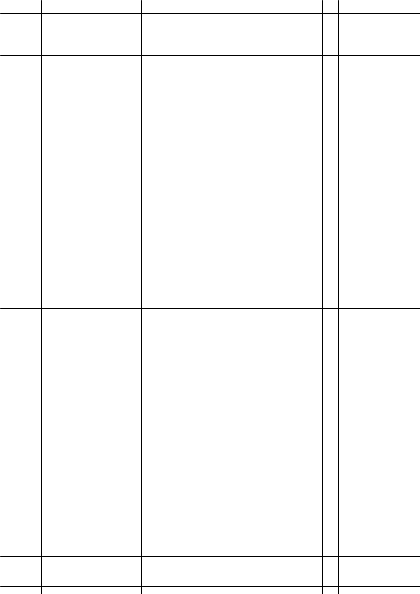
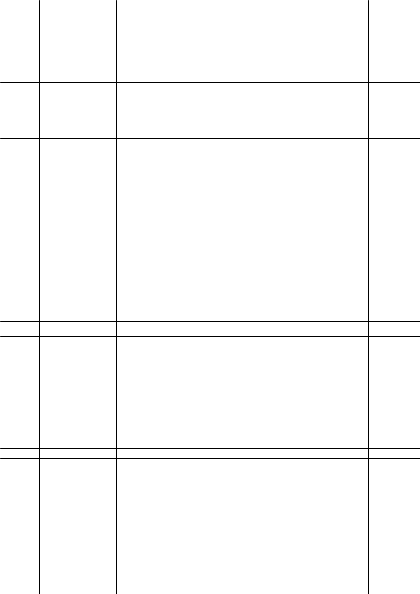
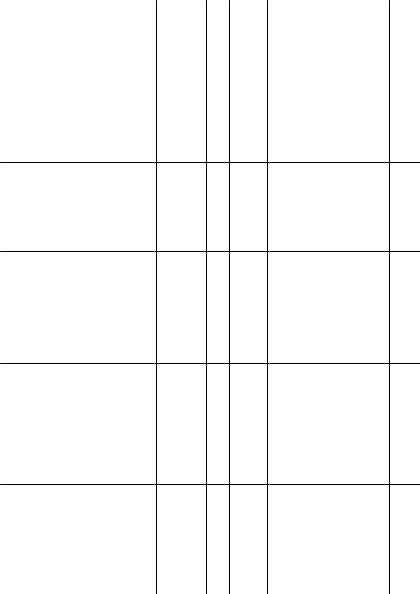
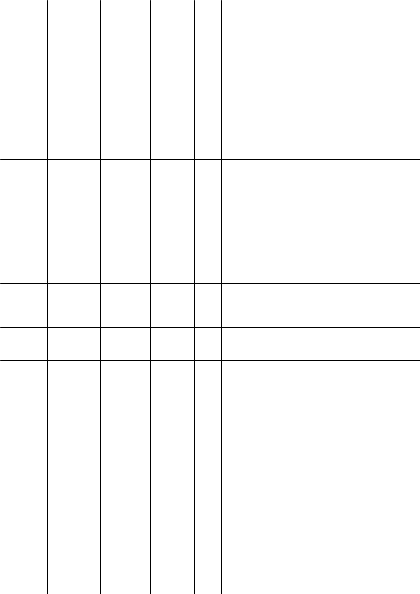
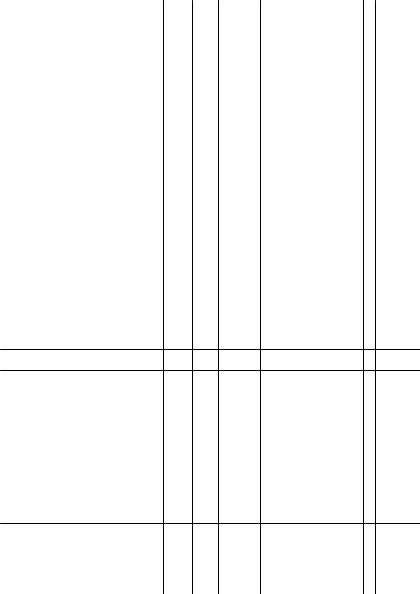
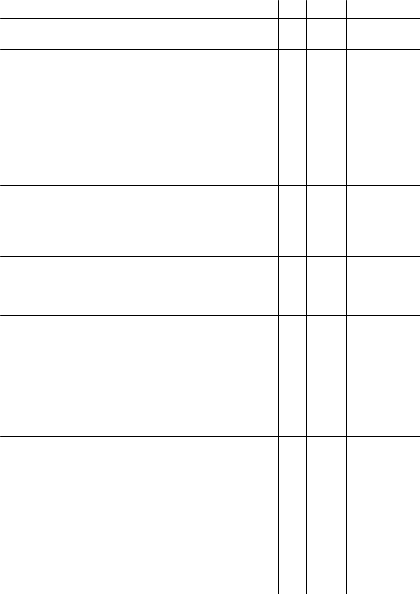
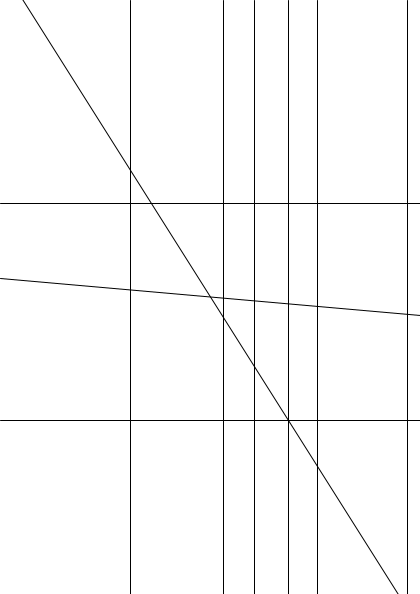
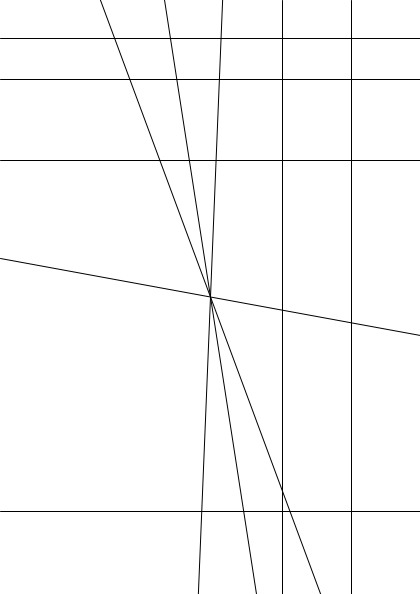
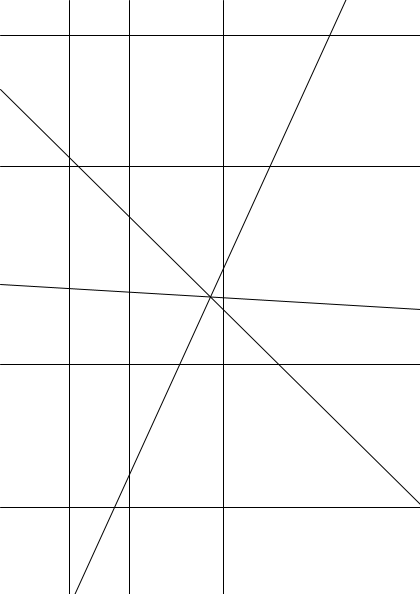
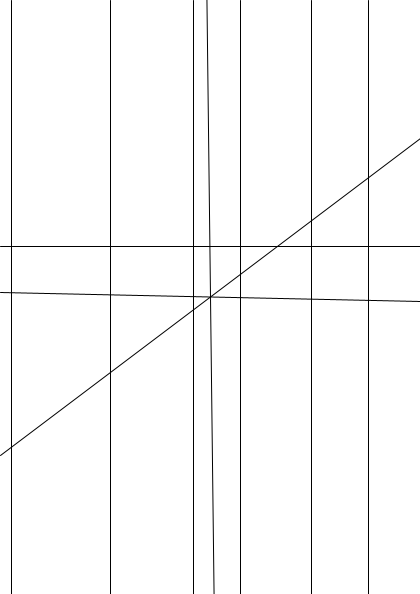
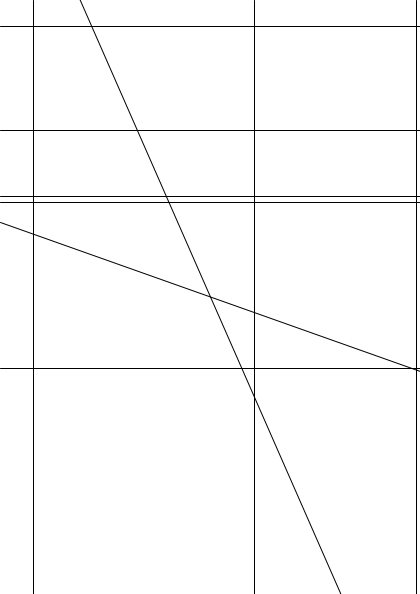
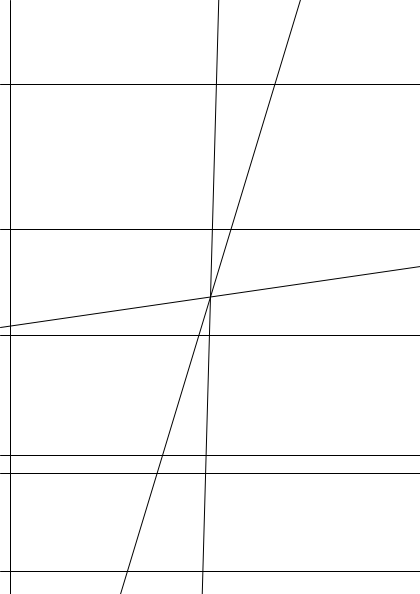
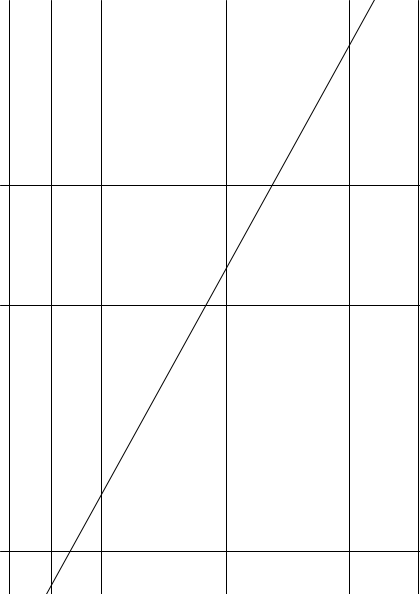
As a first step for Experiment 1 (Introducing Random Elements), I used Processing to create randomly generated grid layouts that I want to use in further steps for the first poster experiment. In the first code, I generated grids with vertical and horizontal lines, and in the second, I added diagonal lines.

Code 1: Random grid with horizontal and vertical lines

This code generates a random grid of vertical and horizontal lines on an A3 poster layout (297mm x 420mm in pixels). It allows the user to create a new grid by pressing the space bar and to save the current grid as a PNG image by pressing the ’s‘ key.

Code:

int numLines = 9; // Number of random lines to draw
int saveCounter = 0; // Counter for saved files

void setup() {
size(420, 594); // Setting up the canvas size for an A3 poster in pixels
generateGrid();
}

void draw() {
// The draw function is intentionally left empty
// because we only need to redraw the grid on specific events
}

void generateGrid() {
background(255); // White background
stroke(0); // Black color for the lines
for (int i = 0; i < numLines; i++) {
drawRandomLine();
}
}

void drawRandomLine() {
boolean vertical = random(1) < 0.5; // Randomly decide if the line is vertical or horizontal
if (vertical) {
float x = random(width); // Random x position
line(x, 0, x, height); // Draw vertical line
} else {
float y = random(height); // Random y position
line(0, y, width, y); // Draw horizontal line
}
}

void keyPressed() {
if (key == ‚ ‚) { // If the spacebar is pressed
generateGrid();
} else if (key == ’s‘) { // If the ’s‘ key is pressed
saveGrid();
}
}

void saveGrid() {
saveCounter++;
String filename = „grid_“ + nf(saveCounter, 4) + „.png“; // Generate a filename with a 4-digit counter
save(filename);
}

Code 2: Random grid with horizontal, vertical, and diagonal lines

This extended code adds random diagonal lines that cross the entire canvas at random angles, while keeping the ability to regenerate and save the grid.

Code:

int numLines = 10; // Number of random lines to draw
int saveCounter = 0; // Counter for saved files

void setup() {
size(420, 594); // Setting up the canvas size for an A3 poster in pixels
generateGrid();
}

void draw() {
// The draw function is intentionally left empty
// because we only need to redraw the grid on specific events
}

void generateGrid() {
background(255); // White background
stroke(0); // Black color for the lines
for (int i = 0; i < numLines; i++) {
drawRandomLine();
}
}

void drawRandomLine() {
float type = random(1); // Randomly decide the type of line

if (type < 0.33) {
// Draw a vertical line
float x = random(width); // Random x position
line(x, 0, x, height); // Draw vertical line
} else if (type < 0.66) {
// Draw a horizontal line
float y = random(height); // Random y position
line(0, y, width, y); // Draw horizontal line
} else {
// Draw a diagonal line at a random angle spanning the entire screen
float angle = random(TWO_PI); // Random angle between 0 and 2*PI
float x1, y1, x2, y2;

if (angle < PI / 2) {
  // Top-left quadrant
  x1 = 0;
  y1 = tan(angle) * width;
  x2 = width;
  y2 = height - tan(angle) * width;
} else if (angle < PI) {
  // Top-right quadrant
  x1 = width;
  y1 = tan(PI - angle) * width;
  x2 = 0;
  y2 = height - tan(PI - angle) * width;
} else if (angle < 3 * PI / 2) {
  // Bottom-right quadrant
  x1 = width;
  y1 = height - tan(angle - PI) * width;
  x2 = 0;
  y2 = tan(angle - PI) * width;
} else {
  // Bottom-left quadrant
  x1 = 0;
  y1 = height - tan(TWO_PI - angle) * width;
  x2 = width;
  y2 = tan(TWO_PI - angle) * width;
}

line(x1, y1, x2, y2);

}
}

void keyPressed() {
if (key == ‚ ‚) { // If the spacebar is pressed
generateGrid();
} else if (key == ’s‘) { // If the ’s‘ key is pressed
saveGrid();
}
}

void saveGrid() {
saveCounter++;
String filename = „grid_“ + nf(saveCounter, 4) + „.png“; // Generate a filename with a 4-digit counter
save(filename);
}

Neustart

Da ich mit den Thema Infografiken bei Musikfestival einfach nicht mehr vorangekommen bin, machte ich mich auf die Suche nach einem neuen Thema. Zur engeren Auswahl standen folgende Themen: Die Zukunft der OOH Werbung, Warum gibt es Designprinzipien/ was definieren wir als gutes Design und zu guter Letzt ist mir das Thema Karten- und Brettspiele untergekommen, als ich gerade dabei war mit meiner Oma Rommé zu spielen. Ich habe mir alle 3 Themen angeschaut, jedoch bin ich dann bei letztem hängen geblieben. Speziell folgender Artikel der Frankfurter Allgemeinen hat mich davon überzeugt: 

Der Artikel beleuchtet die anhaltende Beliebtheit von Brettspielen trotz der Konkurrenz durch digitale Alternativen. Besonders während der Pandemie erlebten Brettspiele einen regelrechten Boom, da sie als beliebte Freizeitbeschäftigung dienten. Der Umsatz mit Brett- und Kartenspielen für Erwachsene stieg seit dem ersten Lockdown um 30 %. Was ich sehr an dem Artikel interessant fand war ein weiterer Faktor für den Aufschwung. Undzwar ist die Netflix-Serie „The Queen’s Gambit“, die das Interesse an Schach enorm steigerte zu einem Verkaufsanstieg von Schachsets um 1000 % angeblich führte.

Laut Experten fördern Brettspiele durch spielerisches Lernen nachhaltige Fähigkeiten und bieten einen wichtigen Ausgleich zur Realität, indem sie einen sicheren Raum zum Ausprobieren und Experimentieren schaffen.

Historisch gesehen haben Brettspiele eine lange Tradition, die bis zu Spielen wie dem ägyptischen Senet zurückreicht. Heute ist die Vielfalt der Spiele riesig, und Ludologen (Spielwissenschaftler) haben zahlreiche Kategorien und Spielmechaniken erforscht und definiert. Moderne Spiele wie „Catan“ oder „Carcassonne“ zeichnen sich durch variable Spielflächen und innovative Spielprinzipien aus.

Ein spannender Aspekt der aktuellen Entwicklung ist der Einsatz von Künstlicher Intelligenz, um neue Spielelemente zu analysieren und zu schaffen. Projekte wie Empamos nutzen KI, um Spielregeln und Mechaniken zu digitalisieren und daraus neue Konzepte zu entwickeln. Legacy Games, die sich über mehrere Spielrunden verändern und an Komplexität gewinnen, bieten einzigartige Spielerlebnisse.

Brettspiele spiegeln oft gesellschaftliche Trends wider, wie das Beispiel Skat zeigt, das die postfeudale Gesellschaft vorwegnahm. Kooperative Spiele, bei denen die Spieler gemeinsam gegen das Spiel antreten, gewinnen seit den 1970er Jahren an Popularität. Beispiele hierfür sind Detektivspiele und die immer beliebteren Escape-Room-Adaptionen.

Die Zukunft der Brettspiele sieht eine verstärkte Integration digitaler Elemente vor. Hybridspiele kombinieren analoge und digitale Spielkomponenten, bieten ständig neue Inhalte und werden durch Apps unterstützt. Diese digitale Ergänzung wird als Bereicherung gesehen, solange sie die soziale Interaktion nicht ersetzt, sondern erweitert.

Insgesamt bleiben Brettspiele auch in der digitalen Ära relevant und beliebt, da sie eine Mischung aus traditionellen und modernen Spielerlebnissen bieten und durch innovative Konzepte und Technologien kontinuierlich weiterentwickelt werden.

https://www.faz.net/aktuell/wissen/computer-mathematik/die-renaissance-der-brettspiele-spieler-sind-wir-doch-alle-17081712.html

Als weitere Herangehensweise werde ich, parallel zur Recherche, als ersten Step eine allgemeine Umfrage starten zum Thema Karten- und Brettspiele. Danach würde ich gerne mit unterschiedlichen Designs und KI-Elemente ausprobieren, was ein Spiel besonders interessant macht. 

Next steps

Having reached this point in my research, after exploring the more theoretical aspects, I intend to proceed to an experimental phase. I will use Artificial Intelligence to generate images related to various thematic areas. The goal will be to verify whether and how the generated images contain biases of a cultural, social, gender nature, etc. 

The areas I intend to explore are: job representation, cultural representation, sexual orientation/gender identity, and age representation.

Additionally, I plan to conduct surveys with samples of people to see how these images are perceived, in order to obtain various perspectives on the subject of my research.

13 – Experiment 1

In my first experiment, I am looking at the effect of the handmade design style. By means of a survey, I would like to look at brandings in the handmade style. I want to find out whether this ‘handmade’ aesthetic evokes certain associations and if so, which ones. Roughly speaking, which brands, and the associated brand values does the ‘handmade design style’ fit in with?

During my research last semester, I found out that the handmade/analogue style has strong associations with political movements. For example, there is a strong connection to zines – homemade magazines that spread a political counter-movement – where this style was used very dominantly. This also gave rise to the Craftivism movement, in which political messages were expressed through handcrafted designs. An after-effect of these political and ethical associations was the so-called ‘craftwashing’, where companies deliberately used a handmade aesthetic to fool consumers into thinking they were a particularly ethical company, that supports certain political views.

As these movements mainly took place in the 1990s and 2000s, I am interested in the after-effects of them. Are these associations still as strong or are there completely different ones now?

This is what I want to find out with my survey. I chose four brands that have some ethical and political associations, such as Oatly (environmentally conscious) and Stüssy (popular brand among subcultures, e.g. hip-hop, skater, punk scene). As well as brands without such a connection, like Fanta and Gucci. With all these brands, however, I have found branding that looks imperfect and handmade. In my survey, I would now like to ask my participants what values they associate with each of these brands and whether they think the handmade style fits in with these values.

I created my survey using Google Forms and sent it out to willing participants. Some of them are professional designers, some of them come from other fields. This way I want to make sure to get representative results.

https://forms.gle/PVzrHj8naLbDhCWE6