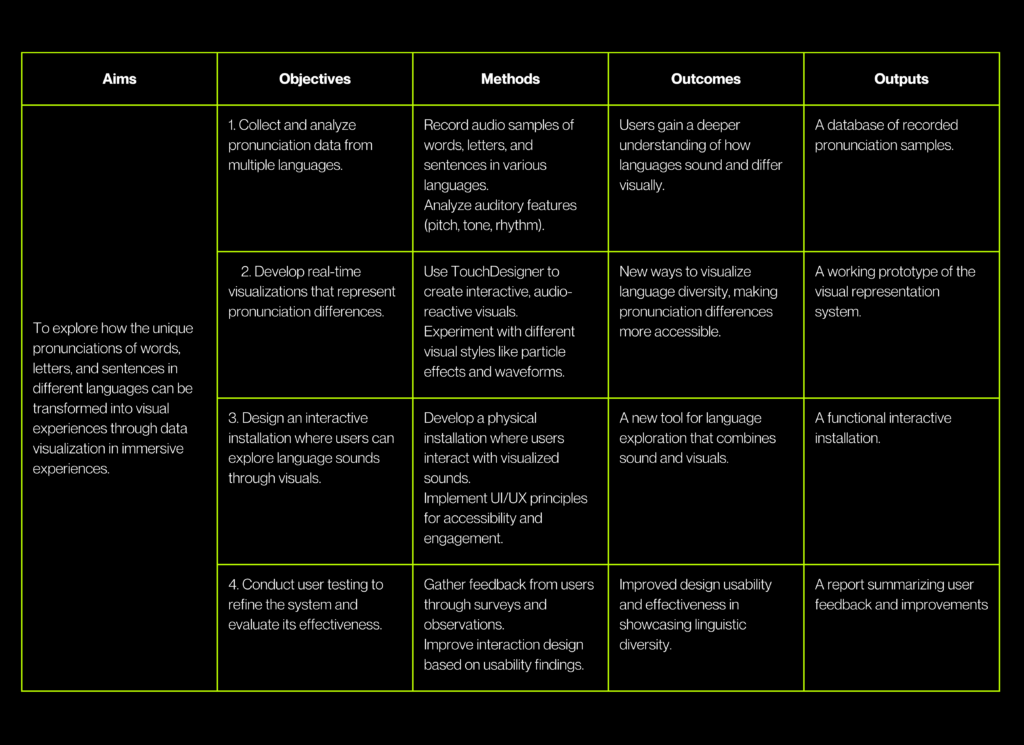
Research Matrix
Design.tv / IMAGE RECEPTION INTERFERENCES – Transfers of Photography in Design 1960–1990 (Croatia)
I visited this exhibition two years ago, but I recently came across a YouTube video that offers a full explanation of it. What’s interesting is that one of the featured designers, Duško Bekar, makes an appearance in the video.
The exhibition’s curator, Marko Golub, mentions:
„The relationship between graphic design and photography is a very broad topic. Photography is used extensively in graphic design.“
But this exhibition doesn’t just explore the relationship between graphic design and photography—it also delves into the media processes that happen between the two.
Here are some of the most interesting works featured in the exhibition:
Bućan’s works often focus on self-referentiality, where the design reflects on itself. For example, one poster visually suggests the concept of photography through its own design (like the edges of the poster mimicking a photograph).
Bućan’s collaboration with Mihajlo Arsovski also stood out. They were among the most creative and provocative figures in graphic design at the time. One of Bućan’s posters for an Arsovski exhibition uses a photo of a billboard for posters—but ironically, none of the posters on the billboard are by Arsovski.

Borčić plays with the concept of “an image within an image,” creating a self-referential design.

Bekar’s work features abstract circular forms, created by shining a flashlight onto light-sensitive photo paper. Here, photography—normally used to capture reality—is turned into a tool to create something abstract.

The main poster for the 8th Mediterranean Games in Split (1979) showcases a bold MIS ’79 logo on a gradient blue background. Interestingly, this gradient wasn’t created digitally (computers weren’t widely used in design back then). Instead, Ljubičić used a photographic trick—deliberately blurring two Pantone blue color swatches to create the gradient effect.

This duo experiments with the visual distortions typical of television screens, playing with the imperfections and glitches of electronic media.
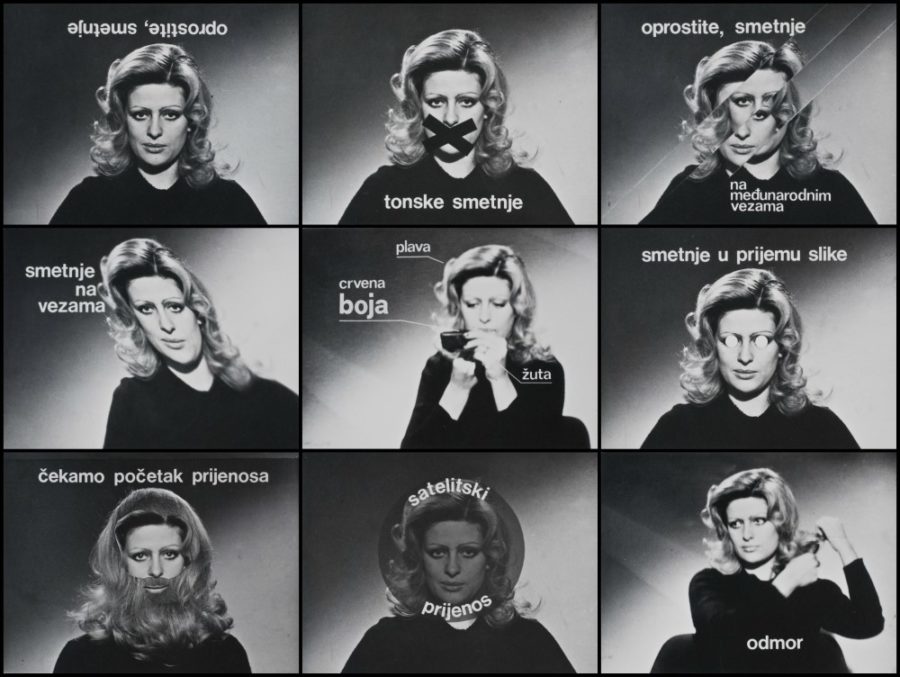
Across the exhibition, you’ll notice how designers use photography in diverse ways—sometimes multiplying a single image in a “pop art” style, other times layering a series of photos to create cinematic effects. Photography itself is also explored in a variety of genres, from documentary and portrait photography to artistic experiments using techniques like high-key lighting, double exposures, wide-angle lens distortions, solarization, and more.
Two key magazines from the period, Danas and Polet, were also crucial in showcasing these creative intersections of design and photography.
This exhibition offers a fascinating glimpse into how photography and graphic design interacted during this period, featuring works by designers like Ivan Picelj, Mihajlo Arsovski, Boris Bućan, Boris Ljubičić, Mirko Ilić, Gorki Žuvela, Dalibor Martinis, Goran Trbuljak, Sanja Iveković, Sanja Bachrach Krištofić, and Greiner & Kropilak. It also highlights contributions from photographers like Luka Mjeda, Ante Verzotti, Slobodan Tadić Tec, Željko Stojanović – Žika, Boris Cvjetanović, Mario Krištofić, and many others.
Photography Exhibition ‘In reality and in the fiction’ of the artist Sanja Merćep.
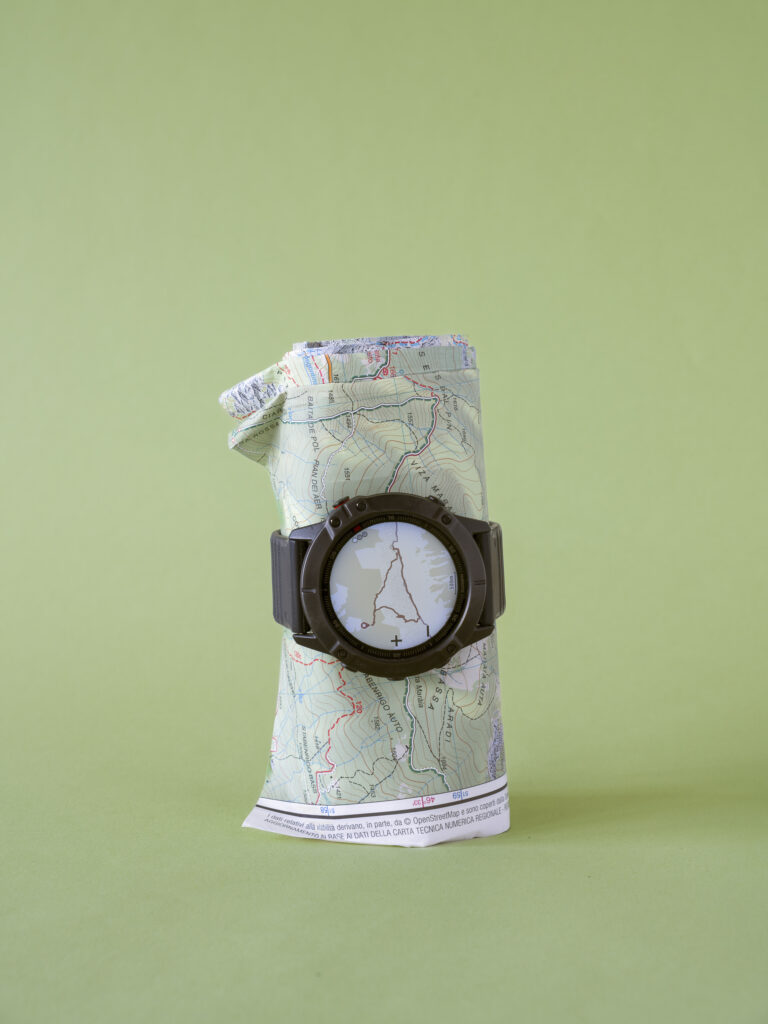
In the photographic series In Reality and Fiction, Sanja explored the (de)construction of the representation of mountain landscapes by creating a personal perspective on mountain landscapes and documenting various forms of societal imagination of mountains. Focusing on private objects that serve as mediators of her personal mountaineering experience, Sanja depicted the symbolic and imaginary dimensions of mountain landscapes that are less visible in the public sphere. In the second, documentary part of the project, she focused on recording various ways of representing mountain landscapes in different (non)mountaineering contexts, emphasizing their constructed nature.
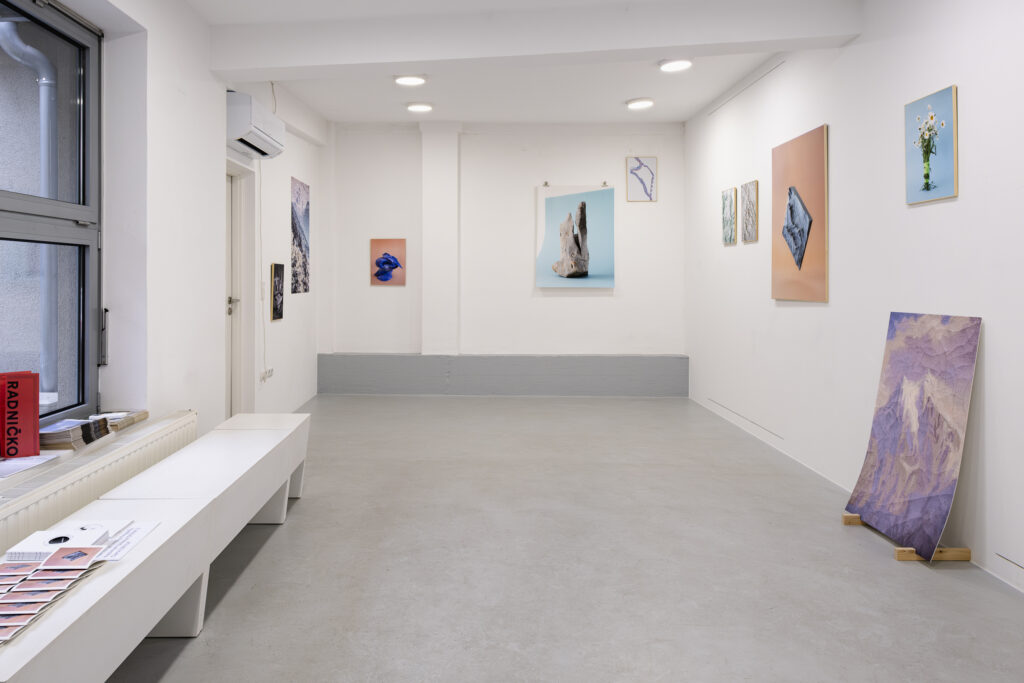
What I enjoyed most about this exhibition is how Sanja portrayed representations of mountain landscapes. For example, there’s a chipped piece of rock (visible right in the center of the upper image). What I mean by how she depicted it is that she chose to photograph this piece in what is clearly an art studio or a space designed for photoshoots. These photographs of representations almost resemble product photography.
Session 2: Real-Time Image Generation and Interactive Practice
Time: Thursday, 12th December 2024, 6-9pm
Duration: 3 hours
What we did at second session:
Outcome of the workshop:
I got a practical understanding of how to navigate and use latent spaces in LLMs and real-time image generation for creative projects. I gained insights into combining AI-driven text and visuals for innovative storytelling and artistic practices, using accessible, open-source models.
My opinion:
I didn’t realize that Real-Time Image Generation even exists, because at first I thought that we will be learning more about general Image Generation with AI tools.
At one point, I was fascinated with some tools and how quickly they process visual data instantly as it is received.
The workshop was interesting but it wasn’t that useful, at least not for my thesis.
I took part in an international online workshop on AI titled ‘Adventures in Latent Space – Exploring LLMs and Real-Time Image Generation’ led by Marlon Barrios Solano.
I was particularly interested in learning more about Image Generation.
Workshop Overview:
Adventures in Latent Space is an interactive, no-code workshop designed to introduce participants to the creative potential of Large Language Models (LLMs) and real-time image generation using open-source models. This workshop aims to provide a hands-on exploration of AI’s latent space through engaging activities and conceptual discussions, perfect for artists, creative technologists, and anyone interested in the intersection of technology and the arts.
The workshop was free of charge.
Duration: 6 hours total, divided into two online sessions (3 hours each)
Session 1: Navigating Latent Spaces with LLMsTime:
Tuesday, 10th December 2024, 6-9pm
Duration:
3 hours
Core Concepts that we learned:
I didn’t expect to learn or to hear about so many AI concepts. What was most useful for me was that I learned how to make my own GPT, which could be useful for my thesis and for finding articles, books and information.
Feedback
This week was all about feedback. After months of deep diving into research, I had the chance to discuss my master’s thesis progress with three different experts, each offering a unique perspective on my work. These conversations helped me reflect on where I am, what I’ve accomplished so far, and most importantly where I should go next.
First Round: Structuring the Next Steps
On Wednesday, I had a meeting with Ms. Ursula Lagger, who guided us through our master’s thesis proseminar this semester. Our conversation focused on my exposé, my current research state, and my plans moving forward. While I have already done a lot of research on the theoretical background, she emphasized that now is the time to shift towards the practical aspects of my work. One of the biggest takeaways from this meeting was the importance of structuring my prototyping phase. She encouraged me to make a clear plan on how and when I will move from expert interviews to practical examples, prototyping, testing, and iteration. Given the timeframe of our thesis, having a structured roadmap will help me stay on track and make the most of the time I have left. This feedback was a great reminder that while research is essential, it needs to be paired with practical application.
Second Round: Expanding My Perspective
Thursday’s meeting with Mr. Horst Hörtner from Ars Electronica Futurelab provided a completely different perspective. We talked about my passion for universal design, which has been a key motivation behind my thesis. He introduced me to companies that develop products for the medical field and have successfully conducted medical trials, as well as projects designed with autistic people in mind. Beyond technical guidance, he gave me valuable pointers on how to approach expert interviews and tell the story behind my research. He encouraged me to clearly define why this field of design is important to me and how my work connects to real-world problems. This discussion gave me a lot of insights into the bigger picture of universal design, showing me new opportunities for research and development in this space. More than that, it reinforced the importance of being passionate about what I’m designing.
Third Round: Bringing Ideas to Life
Today, I had a meeting with Mr. Kaltenbrunner from the University of Art and Design in Linz, who is also a co-founder of Reactable Systems, one of the inspirations for my last year’s prototype for design and research. Our conversation revolved around tangible user interfaces and how they could be used for children with autism. He showed me several existing projects for autistic children, which immediately reignited my interest in creating an interactive school table. We talked about the best way to start working on this idea, and he suggested that my first focus should be on designing the UI for the interface, essentially starting with a digital app before thinking about how to integrate tangible interaction. One concept that stood out from our discussion was fictional design, a method that encourages focusing on the concept and complexity of interactions first, rather than getting stuck on the technological limitations. Given the limited timeframe of my thesis, this approach makes a lot of sense. Instead of trying to perfect the hardware immediately, I should develop the experience and interactions first, then later explore how to make them tangible. This conversation was incredibly valuable because it helped me redefine my next steps. Instead of jumping straight into prototyping the hardware, I will first develop the digital interface, refine the user experience, and then gradually explore physical interactions.
These three rounds of feedback helped me gain clarity on my direction. Moving forward, I now have a clear structure for my thesis work:
Inclusive Educational Practices for Children with Autism in Bosnia and Herzegovina
For this impulse, I focused on researching the current state of inclusive education for children with Autism Spectrum Disorder (ASD) in Bosnia and Herzegovina. While inclusive education is officially recognized, its implementation remains inconsistent, leaving many children with autism without the necessary support to succeed in mainstream schools.
One of the key issues is that resources for individualized learning and inclusivity are limited. Schools often lack proper educational materials, adapted textbooks, and tools that could help children with ASD engage with lessons effectively. The system tends to follow standardized approaches that do not take into account the individual learning needs of children on the spectrum.
To gain deeper insight into these challenges, I conducted an expert interview with a school psychologist and a defectologist in Bijeljina. Their school is the only one in the city that offers a special education class for children with disabilities. Other schools do not have specialized support, meaning that many children with autism attend this one school, regardless of whether it is the best fit for their needs.
The psychologist explained the process of assessing students for special education. If a teacher notices that a child is struggling, they work with the school psychologist to recommend an assessment. However, it is ultimately up to the parents whether their child will be tested. In cases of ASD, students have two options: they can either join the special education class or remain in a mainstream classroom while following a curriculum for “Mild Intellectual Disability” with the support of a teaching assistant.
A major issue with this system is that the curriculum for mild intellectual disability is standardized—it is the same for all students, regardless of their individual abilities. The psychologist emphasized that children with autism require an individualized approach, yet the system does not allow for much flexibility. “The learning programs are copied from standard education systems and are not adapted to local resources and actual needs,” which often leads to frustration for students, teachers, and parents.
One of the biggest gaps in the education system is the lack of adapted learning materials. Children with ASD in special education classes do not have textbooks designed for their learning needs. Instead, teachers rely on basic tools like paper, pens, and didactic toys, which are often geared toward younger children. This creates a problem for older students, who are left using materials that do not match their cognitive level. Subjects like geography, chemistry, and physics require visual and practical aids, yet these are rarely available in special education settings.
Another significant issue is that support for children with ASD decreases as they get older. The ministry of education in Republika Srpska does not automatically provide teaching assistants for high school students. This means that families must hire private assistants if they want their child to continue education beyond primary school. The few students who continue their education often have to travel to specialized schools in Serbia, as Bosnia and Herzegovina does not offer many options nearby, beyond elementary school.
Beyond structural issues, cultural stigma surrounding autism remains a major obstacle. The psychologist and defectologist I interviewed recalled many cases where parents refused to accept that their child required special education. In rural areas, this is even more common, as acknowledging a child’s disability often means transferring them to a school in a different city, which many families are reluctant to do.
The stigma associated with autism extends beyond school. Many individuals with ASD struggle to become independent because they are not given the same opportunities to develop life skills. There are no vocational training programs tailored for individuals with autism, and work integration programs are rarely accessible to them. As a result, many children with ASD remain dependent on family care well into adulthood.
Reading and analyzing this topic helped me think critically about how educational tools could bridge some of these gaps. One key takeaway is that children with ASD need more structured and sensory-friendly learning environments—yet most schools in Bosnia and Herzegovina do not offer sensory integration tools. This directly relates to my research on designing multi-sensory learning tools that can support children with autism in adapting to traditional education settings.
Another point that stood out is the need for visual and interactive learning materials. Since children with ASD often struggle with traditional textbook-based learning, digital and physical tools could be an effective way to make subjects like geography and chemistry more accessible. I found it especially important that older children with ASD lack appropriate learning materials—a gap that my work could help address.
This research reinforced my belief that inclusive education is not just about placing children with autism in mainstream schools—it’s about making real adaptations to ensure they succeed. Bosnia and Herzegovina has taken some steps toward inclusion, but there are still significant barriers preventing children with ASD from getting the education they deserve.
For me, this is not just about identifying challenges—it’s about finding practical solutions. Designing educational tools means creating resources that make learning more engaging, structured, and supportive for children with autism. If we want to create real change, we need to rethink how we design learning environments so that they work for everyone.
Nach einigen Feedback-Runden mit Kommiliton*innen, Frau Lagger und Herrn Phillip Raunigg, habe ich mein Expose nun überarbeitet und konkretisiert. Mein vorläufiger Titel lautet nun: Handgemachtes Design & Politik. Warum analoge Gestaltung ein unverzichtbares Werkzeug des Aktivismus bleibt.
Der Grund weshalb ich mich mit diesem Thema befasse ist, das handgemachtes Design aktuell oft eingesetzt wird, um Authentizität und ethische Werte zu vermitteln – teils auch ungerechtfertigt. Im politischen Aktivismus spielt es allerdings gerade deswegen eine wichtige Rolle, da beides mit Ehrlichkeit und Individualität assoziiert wird. Historisch war es durch Bewegungen wie Zines und Craftivism immer eng mit Protestkultur verbunden. Neben seiner Wirkung beeinflusst auch der kreative, kollaborative Prozess die politische Kommunikation. In meiner Thesis möchte ich untersuchen, ob die Art der Gestaltung (analog/digital) aktivistischer Medien einen merklichen Unterschied auf rezipierende Personen hat und wie hoch der empfundene Unterschied je nach Gestaltungsmethode ist. Welchen Einfluss hat speziell der analoge Prozess für das Ergebnis? Ich möchte außerdem herausarbeiten, welche Gestaltungsmittel Aktivist*innen für besonders wirksame Kampagnen nutzen können. Denn gerade in politischen Aktivismus halte ich die Wirkung und Reichweite für sehr wichtig, und leider fehlt gerade hier das Geld und die Zeit für die Gestaltung.
Um meine Fragestellungen zu beantworten, werde ich historische Hintergründe herausarbeiten, aktivistische Kampagnen analysieren und untersuchen, welche Assoziationen mit handgefertigten Designs verbunden sind. Ein zentraler Bestandteil meiner Forschung ist eine Studie, in der ich verschiedene Protestposter gestalte – analog und digital – und ihre Wirkung teste.
Mein Ziel ist es, herauszuarbeiten, warum analoge Gestaltung so eng mit Aktivismus verbunden bleibt und ob sie tatsächlich als authentischer und überzeugender wahrgenommen wird. Am Ende soll ein praxisnaher Leitfaden entstehen, der Gestalter*innen hilft, ihre Botschaften effektiver zu kommunizieren.
Insgesamt hat mir das Feedback viel gebracht, und vor allem auch der verbale Austausch im Dialog. Auch einen Zeitplan habe ich bereits erstellt, und freue mich mit der Bearbeitung zu starten.
Während meiner Recherche bin ich auf das Video „Designing Activism“ des Wolfsonian-FIU, einem Museum, Bücherei und Research Center in Miami, gestoßen. Es handelt sich um ein Gespräch zwischen den Designern Steve Saiz und Lillian Saiz Banderas und der Kuratorin Kuratorin Shoshana Resnikoff. Die Designer arbeiteten zur Zeit der Aufnahme an einer innovativen Datenbank von Designvorlagen, die speziell für aktivistische Zwecke entwickelt wurden. Diese Designs stehen kostenlos zur Verfügung und können angepasst und wiederverwendet werden. Das Projekt entstand während der Proteste in Miami, die durch die Morde an George Floyd und Breonna Taylor ausgelöst wurden. Ihr Ziel ist es, ikonische und sofort verständliche visuelle Elemente zu schaffen, die in Protesten effektiv kommunizieren.
Hier erläutern die beiden ihren kreativen Prozess, der stark von der visuellen Kultur vergangener Jahrzehnte inspiriert ist. Sie greifen auf Designelemente zurück, die an politische Filme und Poster aus der Vergangenheit erinnern, und passen diese an die heutige Zeit an. Ein zentraler Aspekt aktivistischer Arbeiten, der während dem Gespräch hervorgehoben wird, ist die starke Nutzung von Farbe und Collagen als Stilmittel. Texturen und laute Schriftarten spielen ebenfalls eine wichtige Rolle. Die Designer betonen zudem die Bedeutung von Typografie und visueller Hierarchie – die zentralen Botschaften eines Posters müssen sofort ins Auge fallen und klar erkennbar sein. Provokante und kraftvolle Bilder sind ein weiteres Merkmal ihrer Arbeit. Motive wie zerrissene Ketten, sich befreiende Menschen, Menschengruppen sowie die ikonische in die Luft gestreckte Faust sind wiederkehrende Symbole. Diese visuellen Elemente wurden früher teils sogar eins zu eins zu verschiedenen Zwecken wiederverwendet, um sowohl die Produktionskosten gering zu halten als auch eine breitere Verbreitung zu ermöglichen. Die Arbeit der beiden Designer zeigt, wie politisches Design durch Anleihen aus der Vergangenheit und den gezielten Einsatz visueller Mittel eine starke und nachhaltige Wirkung entfalten kann.
Im Bezug auf meine Masterarbeit halte ich das Projekt von Steve Saiz und Lillian Saiz Banderas für sehr interessant. Die beiden verfolgen einen ähnlichen Ansatz wie ich, und möchten aktivistische Botschaften möglichst effektiv gestalten. Sie möchten Mitgliedern der Protestbewegung einen einfachen Zugang zu aussagekräftigen Designs geben. Ich finde es außerdem sehr interessant, dass sie sich so stark an Designs aus dem analogen Zeitalter orientieren und diese Ästhetik gezielt einsetzen. Es weist darauf hin, das auch sie der Meinung sind, das die analoge Ästhetik die Wirkung aktivistischer Botschaften verstärken kann.
https://www.youtube.com/watch?v=0jCBhmWMotU&ab_channel=TheWolfsonian%E2%80%93FIU
Im Zuge meiner Recherche bin ich auf das Video „How to build an authentically activist career in graphic design“ gestoßen. Es handelt sich um einen Talk von Greg Bunbury, auf einer Veranstaltung der Kreativ-Plattform „It’s nice that.“. Der in London ansässige Grafikdesigner Greg Bunbury erzählt über seine Karriere im Gestalten von Protestplakaten. Er betont, wie wichtig es ist, soziale Ungerechtigkeiten sichtbar zu machen, und teilt seine Erfahrungen bei der Gestaltung von Plakaten während der Black Lives Matter-Bewegung. Er arbeitet hauptsächlich mit Typografie und hat auch selbst Schriften gestaltet und herausgebracht, die von aktivistischer Arbeit inspiriert sind. Er gestaltete auch eine Schrift die sich an Protestschildern aus den 70er orientiert, und somit an handgemachtes Design erinnert. Die digitale Reproduktion eines handgemachten Looks kann als Brücke zwischen traditioneller und moderner Protestkunst dienen. Durch die digitale Verbreitung solcher Designs können sie eine größere Reichweite erzielen, während sie gleichzeitig die Wärme und Authentizität bewahren, die mit handgefertigten Werken assoziiert werden. Dies unterstreicht die anhaltende Bedeutung des handgemachten Stils, selbst in einer zunehmend digitalen Welt. Außerdem arbeitete er gemeinsam mit anderen Designern an großen aktivistischen Plakat Kampagnen. Er erwähnte die Arbeiten von Jahnavi Inniss, Nadina Ali und Harkiran Kalsi, die alle einen unterschiedlichen Stil für ihre Plakate verwendeten.
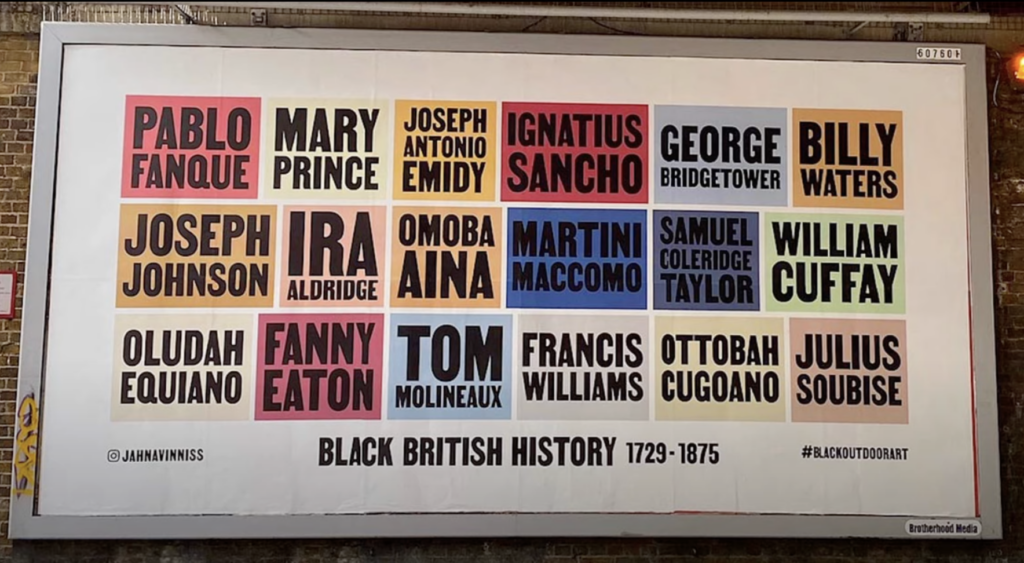
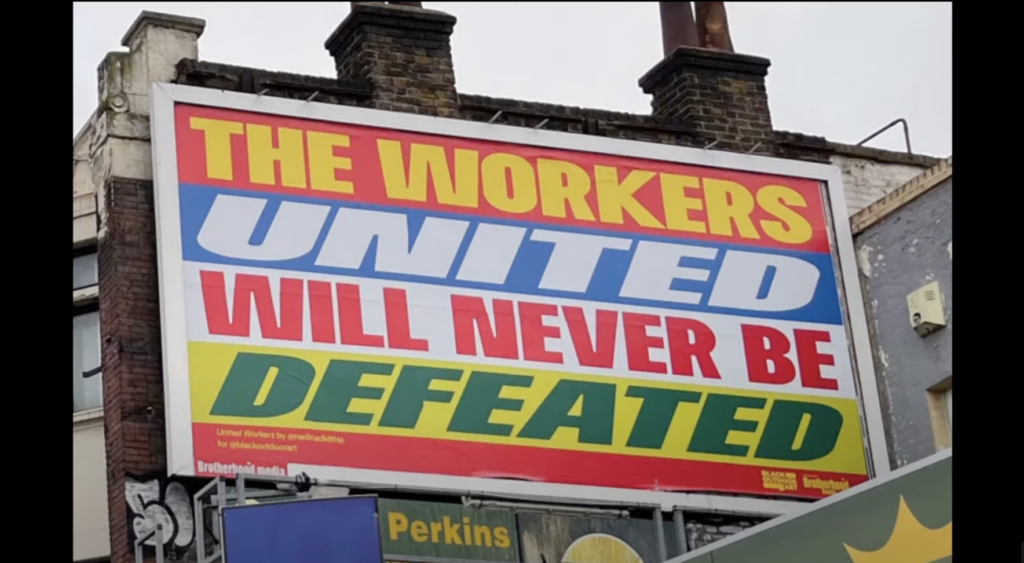

Ich finde es sehr spannend, wie Grafik Design aktuell im Aktivismus eingesetzt wird, und halte es auch für sehr relevant für mein Masterarbeitsthema. Ich werde im Zuge meiner Studie sowohl analoge als auch digitale aktivistische Poster gestalten und werde die genannten Namen und deren aktivistische Design dafür weiter recherchieren.
https://www.youtube.com/watch?v=tW9OTfO8G0k&ab_channel=It%27sNiceThat