Der Dokumentarfilm, insbesondere wenn er Menschen in ihrem Alltag begleitet, eröffnet faszinierende Einblicke in die Realität anderer. Doch diese Form der Filmgestaltung bringt auch einzigartige Herausforderungen und ethische Überlegungen mit sich. Dieser wissenschaftliche Blogbeitrag untersucht die Komplexität der Alltagsbegleitung im Dokumentarfilm und beleuchtet die Aspekte, die besonders beachtet werden müssen.
Ethik und Privatsphäre:
Die Dokumentation des Alltags setzt eine sensible Herangehensweise voraus, um die Privatsphäre der porträtierten Personen zu respektieren. Als Filmemacher muss man sich bewusst sein, dass die Linie zwischen informativem Einblick und unerwünschter Invasion dünn ist. Wie kann eine ausgewogene Balance zwischen der Notwendigkeit der Information und dem Respekt vor der Privatsphäre gefunden werden?
Vertrauen aufbauen:
Die Alltagsbegleitung erfordert ein hohes Maß an Vertrauen zwischen Filmemacher und Protagonisten. Wie kann dieses Vertrauensverhältnis aufgebaut und aufrechterhalten werden, um eine authentische und ungefilterte Darstellung des Alltags zu gewährleisten?
Auswirkungen auf das Verhalten der Protagonisten:
Die Präsenz der Kamera kann das natürliche Verhalten der porträtierten Personen beeinflussen. Welche Auswirkungen hat die permanente Beobachtung auf die Authentizität und Spontaneität der Alltagsszenen? Inwiefern kann dies zu einer Herausforderung oder einem Vorteil für die filmische Darstellung werden?
Narrative Struktur und Bearbeitung:
Die Bearbeitung von Dokumentarfilmen, die den Alltag von Menschen begleiten, ist eine komplexe Aufgabe. Wie kann man die Authentizität bewahren, während man gleichzeitig eine fesselnde narrative Struktur aufrechterhält? Welche kreativen Bearbeitungstechniken können eingesetzt werden, um die Zuschauer in die Lebenswelt der Protagonisten einzuführen?
Soziale Verantwortung und Repräsentation:
Dokumentarfilme tragen eine soziale Verantwortung, insbesondere wenn sie das Leben von Menschen im Alltag dokumentieren. Wie kann die filmische Darstellung ethisch und kulturell sensibel gestaltet werden, um eine gerechte Repräsentation zu gewährleisten? Inwiefern können ungleiche Machtverhältnisse zwischen Filmemacher und Protagonisten vermieden oder ausgeglichen werden?
Forschungsfragen:
Wie beeinflusst die Teilnahme an einem Dokumentarfilm, der den Alltag begleitet, die Selbstwahrnehmung der porträtierten Personen? Inwiefern wirkt sich die Nähe der Kamera auf die Dynamik von Beziehungen und Interaktionen im dokumentierten Alltag aus? Welche Rolle spielt die Bearbeitung von Rohmaterial bei der Interpretation und möglichen Verzerrung der Realität im dokumentarischen Alltag? Wie kann die Ethik der Alltagsbegleitung im Dokumentarfilm weiterentwickelt werden, um die Grenzen zwischen journalistischer Verantwortung und filmischer Kreativität zu definieren?
In der dynamischen Landschaft des Kinos steht das Independent-Filmemachen als Symbol für den unerschütterlichen Geist der künstlerischen Erkundung und Ausdrucksweise, der von den Beschränkungen einer beträchtlichen finanziellen Unterstützung befreit ist, die oft Mainstream-Produktionen definieren. Während Blockbuster den kommerziellen Vordergrund beherrschen, erobern Independent-Filmemacher ihre eigene Nische, indem sie Unkonventionalität, persönliche Erzählungen und experimentelle Erzähltechniken in den Mittelpunkt stellen. Diese Analyse befasst sich mit den Merkmalen, die das Independent-Filmemachen von seinem Mainstream-Gegenstück unterscheiden, und bietet Einblicke in die Strategien und Ansätze, die aufstrebende Filmemacher anwenden, um in dieser einzigartigen Welt erfolgreich zu sein.
Der Paradox der ungehinderten Erzählung: Befreiung von kommerziellen Erwartungen
Independent-Filmemacher arbeiten ohne die Zwänge der Mainstream-kommerziellen Erwartungen, was ihnen die Autonomie gibt, sich mit Nischenthemen zu befassen, mit unkonventionellen Erzählstrukturen zu experimentieren und Geschichten zu präsentieren, die sonst im kommerziellen Bereich marginalisiert bleiben könnten. Diese uneingeschränkte kreative Freiheit führt oft zu einer Vielzahl von authentischeren, vielfältigeren und ideenreicheren Erzählungen, die konventionelle Erzählnormen in Frage stellen.
Ressourcenschonende Innovation: Grenzen als kreative Katalysatoren annehmen
In starkem Kontrast zu Blockbuster-Produktionen, die stark auf extravagante Sets und Spezialeffekte setzen, verwandeln Independent-Filmemacher Ressourcenbeschränkungen in kreative Sprungbretter. Mit begrenzten Ressourcen entwickeln sie Einfallsreichtum und Ressourcenschonung und setzen innovative Lösungen ein, um physische Grenzen zu überwinden. Dieser Prozess fördert die Entwicklung einzigartiger visueller Stile und Erzähltechniken, die Indie-Filme von ihren großen Gegenstücken unterscheiden.
Der kollaborative Geist des Independent-Filmemachens: Ein Mosaik aus gemeinsamer Vision und Verantwortung
Independent-Filmemachen lebt vom kollaborativen Geist und der Intimität eines eng zusammengeschlossenen Teams. Anders als die hierarchischen Strukturen in größeren Produktionen tragen Independent-Filmemacher oft mehrere Hüte, was ein Gefühl von gemeinsamer ownership und kollektiver Verantwortung fördert. Dieser praktische Ansatz ermöglicht es dem Filmemacher, seine Vision mit einer persönlichen Note auf die Leinwand zu übertragen.
Echtheit durch unpolierte Ästhetik erfassen: Emotionale Resonanz erzeugen
Indie-Filme setzen oft auf Authentizität und Realismus statt auf polierte Ästhetik. Die auf der Leinwand festgehaltenen Unvollkommenheiten dienen als authentische Reflexionen menschlicher Erfahrungen und bewirken eine tiefere emotionale Resonanz bei den Zuschauern. Das Fehlen von Hollywood-Glamour ermöglicht ein intimeres und relatables Seherlebnis, das eine Verbindung und Empathie zwischen dem Filmemacher und dem Publikum fördert.
Forschungsfragen:
Inwieweit beeinflusst das Fehlen einer beträchtlichen finanziellen Unterstützung den kreativen Prozess des Independent-Filmemachens? Wie verwandeln Independent-Filmemacher Grenzen in kreative Vorteile?
In welchen spezifischen Weisen ermöglicht das Independent-Filmemachen eine persönlichere und authentischere Verbindung zwischen Filmemachern und Publikum?
Wie navigieren Independent-Filmemacher die Herausforderung, eine Distribution zu finden und eine breitere Öffentlichkeit in einem Markt zu erreichen, der von Blockbuster-Produktionen dominiert wird? Welche Strategien setzen sie ein, um diese Herausforderungen zu überwinden?
Wie spielt das Storytelling eine definierende Rolle bei der Unterscheidung von Indie-Filmen von ihren Mainstream-Pendants? Wie beeinflusst die Freiheit von kommerziellen Erwartungen die narrativen Entscheidungen von Independent-Filmemachern?
In welchen spezifischen Weisen trägt die kollaborative Natur des Independent-Filmemachens zur Gesamtkunstauffassung eines Projekts bei? Wie unterscheidet sich dieser?
In the dynamic realm of cinema, independent filmmaking stands out as a vibrant and innovative force, challenging the conventions of mainstream Hollywood and offering fresh perspectives on the human experience. At the heart of this movement lies a deep-seated commitment to storytelling, a belief that compelling narratives can resonate with audiences on a profound level. Storytelling is the cornerstone of human connection, enabling us to share experiences, emotions, and ideas across cultures and generations. In the world of independent filmmaking, storytelling takes on an even more crucial role, forming the foundation upon which films are built and the driving force that connects with viewers on an intimate level. Independent filmmakers possess a unique freedom to explore narratives that may not neatly conform to the established patterns of commercial cinema. They are unburdened by the pressure to cater to specific market expectations, allowing them to delve into themes of social relevance, personal struggles, and unique perspectives that resonate with audiences seeking authentic and thought-provoking cinematic experiences.
The significance of storytelling in independent filmmaking cannot be overstated. It is the lifeblood that fuels captivating narratives that resonate with audiences on a profound level. By embracing the power of storytelling, indie filmmakers can create films that are both entertaining and thought-provoking, leaving an enduring impact on viewers and shaping the future of cinema.
To fully comprehend the transformative impact of storytelling in independent filmmaking, it is essential to delve into the works of renowned authors who have explored its essence and intricacies. Robert McKee’s seminal book „Story“(McKee, 1999) provides a comprehensive guide to crafting compelling narratives, offering insights into character development, plot structure, and the power of emotional engagement. Davis Trottier´s classic book „The Screenwriter’s Bible“(Trottier, 2019) offers a structured approach to developing and outlining engaging screenplays, laying the groundwork for a cohesive and engaging story. Linda Seger’s practical guide „Storytelling Secrets for Film and TV Writers“(Seger, 2017) emphasizes the principles of dramatic tension, character arcs, and narrative structure, empowering filmmakers to create stories that resonate with audiences across genres. Blake Snyder’s popular system for structuring screenplays, „Save the Cat!: The Last Book on Screenwriting You’ll Ever Need,“(Snyder, 2005) utilizes a series of ‚beat sheets‘ to guide the development of a cohesive and engaging narrative. Christopher Vogler’s comparative analysis of storytelling across various cultures and mythology, „The Writer’s Journey: Mythic Structure for Writers,“(Vogler, 1999) explores the universal themes and archetypes that resonate with audiences, providing a deeper understanding of the psychological underpinnings of compelling narratives.
Independent filmmaking has produced numerous films that showcase the power of storytelling, captivating audiences with their unique narratives and unforgettable characters. Here are a few examples:
Moonlight (2016): A poignant coming-of-age story set in Miami, exploring themes of identity, sexuality, and the enduring power of human connection.
The Florida Project (2017): A delicate portrait of a young girl living in a budget motel with her mother, capturing the joys and struggles of childhood amidst challenging circumstances.
Crouching Tiger, Hidden Dragon (2000): A visually stunning martial arts epic, blending Eastern mythology with a captivating love story and themes of loyalty, betrayal, and self-discovery.
Boyhood (2014): A groundbreaking film shot over 12 years, documenting the life of a boy growing up in Texas, capturing the essence of childhood and the passage of time.
Parasite (2019): A darkly comedic thriller that explores the class divide in South Korea, using the story of a poor family infiltrating a wealthy household to expose social inequalities and the corrosive effects of greed.
These films, and countless others, demonstrate the transformative power of storytelling in independent filmmaking. By embracing the principles of storytelling and dramaturgy, indie filmmakers can create films that not only entertain but also challenge, inspire, and leave a lasting impression on audiences worldwide.
In conclusion, storytelling and dramaturgy are the cornerstones of effective independent filmmaking. By understanding the principles of narrative structure, character development, and emotional engagement, filmmakers can create films that resonate with audiences on a profound level. As independent filmmakers continue to push the boundaries of storytelling, they are shaping the future of cinema and providing a platform for authentic, thought-provoking narratives that reflect the diverse voices of our world. Embrace the power of storytelling and let your creative vision take flight. Let your films ignite the imaginations of audiences worldwide.
What´s next?
More research on storytelling and dramaturgy.
Find more examples of outstanding storytelling in indie movies.
Write my own storyboards and try to visualize them.
Bibliography:
Vogler, C. (1999). The writer’s journey: Mythic Structure for Storytellers and Screenwriters.
Trottier, D. (1998). The Screenwriter’s Bible: A Complete Guide to Writing, Formatting, and Selling Your Script.
Snyder, B. (2005). Save the cat!: The Last Book on Screenwriting You’ll Ever Need.
Seger, L. (2017). Writing subtext: What Lies Beneath.
McKee, R. (1999). Story: Substance, Structure, Style, and the Principles of Screenwriting. Methuen Publishing.
The cinematic landscape has long been dominated by the traditional landscape aspect ratio, with its familiar rectangular frame capturing the breadth and expanse of the visual world. However, a growing number of filmmakers are venturing beyond this established norm and exploring the unique storytelling potential of portrait aspect ratio, a vertical orientation that disrupts the conventional balance between height and width. While this shift may initially appear as a departure from established cinematic conventions, a deeper examination reveals a rich tapestry of creative possibilities and challenges that portrait aspect ratio presents.
To fully comprehend the transformative impact of portrait aspect ratio, one must first delve into the seminal work of Sergei Eisenstein( , the renowned Soviet filmmaker who revolutionized cinematic storytelling. In his groundbreaking treatise, „Jenseits der Einstellung,“ Eisenstein challenged the notion of the shot as a static unit, instead advocating for a dynamic interplay between shots and the overall composition of the film. This emphasis on the dynamic nature of cinema resonates deeply with the essence of portrait aspect ratio, which inherently disrupts the traditional horizontal arrangement of elements, creating a sense of dynamism and disrupting the audience’s expectations. (cf. Eisenstein, 2006)
The transformative power of technology, as explored by Carolyn Handler Miller in her book „Digital Storytelling: A Creator’s Guide,“ also parallels the impact of portrait aspect ratio in film. Miller highlights how digital tools have broken down traditional barriers, providing filmmakers with new avenues for creative expression. This aligns with the ability of portrait aspect ratio to expand the visual narrative, offering filmmakers fresh perspectives on familiar stories and allowing them to explore unconventional framing techniques.(cf. Miller, 2014)
To further understand the creative potential of portrait aspect ratio, one must consider the exploration of composition and context by architects Fritz Haberl and Oskar Schlemmer in their book „Die Macht des Rechtecks.“ These authors delve into the power of the rectangle as a fundamental element of design, examining how its proportions and placement can evoke various emotions and convey specific messages. This exploration of rectangular composition aligns with the challenges and opportunities presented by portrait aspect ratio in film, where the vertical orientation can emphasize specific elements or create a sense of intimacy and focus. (cf Haberl & Schlemmer, 1991)
In practice, filmmakers have embraced portrait aspect ratio to create visually striking and engaging films. Steve McQueen’s masterful „12 Years a Slave“ utilizes portrait framing to capture the claustrophobic and oppressive atmosphere of slavery, while Alfred Hitchcock’s suspenseful „Rope“ employs a vertically stacked frame to heighten tension and psychological intrigue. These examples demonstrate the unique storytelling possibilities unlocked by portrait aspect ratio, allowing filmmakers to explore new perspectives and evoke heightened emotions.
As filmmaking continues to evolve, portrait aspect ratio is poised to play an increasingly prominent role in shaping the language of cinema. By challenging traditional conventions and offering fresh perspectives on storytelling, portrait framing will contribute to the dynamic evolution of film as an art form. Embraced by visionary filmmakers, portrait aspect ratio has the power to transform the cinematic landscape, offering a fresh perspective on the art of storytelling and pushing the boundaries of visual expression.
What´s next?
More research on the usage of portrait format video.
Find out what possibilities the portrait format offers.
Find examples in which the portrait format is compared with the landscape format.
Produce content in portrait and landscape format and check the effect on a test group.
Bibliography:
Eisenstein, S. (2006). Jenseits der Einstellung: Schriften zur Filmtheorie.
Miller, C. H. (2014). Digital storytelling: A creator’s guide to interactive entertainment. CRC Press.
Haberl, G. & Schlemmer, G. (1991). Die Magie des Rechtecks: Filmästhetik zwischen Leinwand und Bildschirm.
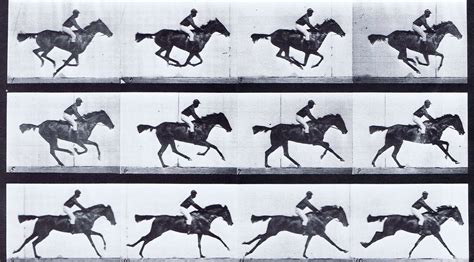
In the captivating realm of cinema, where storytelling unfolds frame by frame, the choice of frame rate is a subtle yet powerful tool that filmmakers use to shape our viewing experience. From the smooth elegance of 24 frames per second (fps) to the hyper-realistic immersion of high frame rates, the speed at which images flicker on the screen can influence our emotional engagement, perception of time, and even our physiological responses. In this blog article, I want to look at these influences and find out what tricks the big filmmakers have in their toolbox, how they influence the viewer’s perception, where these practices come from and what the latest trends are in this field.
About the history of framerates…
Since the dawn of filmmaking, the heartbeat of the industry has been the rhythm of frame rates, shaping the way we perceive motion on the silver screen. Let’s take a journey through time, exploring the fascinating evolution of frame rates from the earliest days of silent films to the high-speed wonders of the present.
Silent Era (Late 19th Century – 1920s): The Birth of Cinema
In the infancy of cinema, frame rates were a variable factor, often determined by the limitations of hand-cranked cameras. Early silent films typically operated at an average of 16 to 18 frames per second (fps). The fluctuating speeds contributed to the charmingly erratic motion characteristic of this era.
Standardization (1920s – 1930s): The Rise of 24 fps
With the advent of synchronized sound in the late 1920s, the film industry sought a standardized frame rate for a seamless audio-visual experience. The iconic 24 frames per second (fps) emerged as the industry standard during this period, providing a balance between visual fluidity and synchronization with sound.
Slow Motion and Experimentation (1930s – 1950s): Playing with Time
Filmmakers began experimenting with slow-motion effects during this era, manipulating frame rates to create dramatic visuals. Directors like Akira Kurosawa and Orson Welles employed variable frame rates to enhance storytelling, marking a shift towards more intentional use of frame rate as a creative tool.
New Wave and High-Speed Cinematography (1960s – 1980s): Pushing Boundaries
As filmmakers embraced artistic freedom, the 1960s and 1970s witnessed experimentation with higher frame rates. Innovations like „Showscan“ attempted frame rates as high as 60 fps, pushing the boundaries of traditional filmmaking. However, these experiments were largely confined to specialized formats and did not become mainstream.
Digital Revolution (1990s – 2000s): Frame Rates in the Digital Age
The transition from celluloid to digital cinematography brought new possibilities. Digital cameras allowed for flexibility in choosing frame rates, and filmmakers began exploring unconventional speeds. The renowned director Peter Jackson notably used a variable frame rate in „The Hobbit“ trilogy, shooting at 48 fps to achieve hyper-realistic visuals.
High-Speed Filmmaking (2010s – Present): A Need for Speed
In recent years, advancements in camera technology have opened the door to high-speed filmmaking. Directors like Ang Lee, with „Billy Lynn’s Long Halftime Walk“ and „Gemini Man,“ have embraced frame rates as high as 120 fps to deliver an unprecedented level of realism and immersive storytelling.
From the stuttering frames of the silent era to the high-speed wonders of contemporary cinema, the history of frame rates is a testament to the ever-evolving language of filmmaking. As technology continues to advance, who knows what cinematic experiences the future holds with even faster frame rates? The journey of frames in film remains an exciting tale of innovation, creativity, and the constant pursuit of visual storytelling excellence. (cf. Cook& Sklar, 2023)
About the influence of framerates on the viewer…
The Emotional Symphony of Frame Rates:
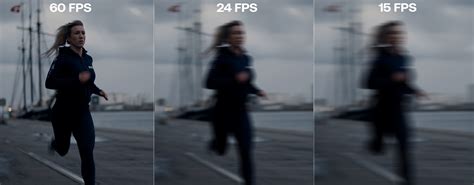
Frame rates act as the conductor of a cinematic orchestra, orchestrating emotions with precision. A lower frame rate, such as 24 fps, often evokes a classic, cinematic feel. It allows for a certain level of motion blur that contributes to a dreamy, nostalgic ambiance. On the contrary, higher frame rates, like 60 fps or even 120 fps, can deliver an unnervingly lifelike and immersive experience, impacting the emotional resonance of the narrative.
Enhancing Storytelling Dynamics:
Frame rates are not mere technicalities; they are narrative tools wielded by filmmakers to tell their stories in unique ways. The choice of frame rate can alter the perception of time, accentuate tension, or create a dreamlike atmosphere. Directors strategically experiment with frame rates to synchronize the viewer’s emotional experience with the unfolding plot, heightening the overall impact of the story.
Heightening Realism and Intimacy:
Frame rates play a pivotal role in shaping the viewer’s perception of reality within the cinematic realm. A higher frame rate, particularly in the range of 60 fps and beyond, enhances realism by reducing motion blur and providing unprecedented clarity. This heightened visual fidelity can create an intimate and immersive experience, allowing viewers to feel intricately connected to the narrative unfolding on the screen. Whether it’s the subtleties of facial expressions or the fluidity of action sequences, a higher frame rate can bridge the gap between the fictional world and the viewer, intensifying the emotional resonance of the storytelling.
Manipulating Pacing and Rhythm:
The rhythmic cadence of frame rates profoundly influences the pacing and rhythm of a film. A director’s choice to increase or decrease the frame rate can be a deliberate narrative device, impacting the tempo of scenes and overall storytelling dynamics. A slower frame rate, such as in classic films shot at 24 fps, can instill a deliberate and contemplative pace, allowing viewers to savor each moment. Conversely, a higher frame rate can inject energy and urgency, propelling the narrative forward with a sense of immediacy. This manipulation of pacing through frame rates becomes a subtle yet powerful means for filmmakers to guide the emotional journey of the audience, keeping them engaged and invested in the unfolding narrative. (cf. Bordwell&Thompson, 2008)
What´s next?
More research on the different framerates and their effects.
Produce content in different framerates and check the effect on a test group.
Dig deeper in the field of high speed framerates.
Connect the two topics of aspect ratios and framerates.
Bibliography:
Cook, D. A. and Sklar, . R., (2023, September 18). history of film. Encyclopedia Britannica. https://www.britannica.com/art/history-of-the-motion-picture
Brown, B. (2021). Cinematography: Theory and Practice: For Cinematographers and Directors (4th ed.). Routledge. https://doi.org/10.4324/9780429353239
Bordwell, D. & Thompson, K. (2008). Film art: An Introduction. McGraw-Hill Humanities, Social Sciences & World Languages. https://archive.org/details/davidbordwellkristenthompsonfilmartanintroductioneighthed.
As it is not yet clear exactly which topic I would like to cover in my master’s thesis, I have chosen the third topic of my first entry for my second blog post, adapted it slightly and elaborated on it further. I chose this topic because it has become very relevant in today’s world, especially as the majority of moving image content on social media is now filmed and published in portrait format. I am interested in how this change in frame size influences general film production, but also the effect this frame size has on consumer perception. As part of my further research, I focused on the effects of the increased use of portrait format in film production and especially on social media. I would like to take a closer look at these aspects.
Aesthetic choices: Reasons why filmmakers are increasingly choosing portrait format and how these choices affect the aesthetic quality and visual impact of the content produced.
Narrative adaptations: Changes to the narrative structure and general construction of content.
Viewer experience: An assessment of how the switch to portrait format affects the way viewers consume content and what emotional responses or interactions are enhanced.
Creative freedom and restrictions: Does the shift to portrait format bring increased creative restrictions or does this format allow more freedom to be creative?
This blog post aims to develop an understanding of how the trend towards portrait format in film production is affecting the industry and what implications this has for viewer perception and interaction.
Looking back…
In the transformative year of 1930, cinema underwent a crucial juncture when the Academy of Motion Picture Arts and Sciences proposed standardizing horizontal film frames. Sergei Eisenstein, a prominent filmmaker of the time, challenged the prevailing widescreen narrative, advocating for what he termed a „dynamic square“ that would embrace both horizontal and vertical compositions. Despite Eisenstein’s compelling arguments, the Academy chose to adopt the 1.375:1 aspect ratio, solidifying the widescreen format’s dominance in the cinematic landscape. This decision marked a historical turning point, shaping the trajectory of aspect ratios for decades to come. Widescreen cinematography became synonymous with the cinematic experience, with filmmakers adapting their compositions to fit the expansive frame. The widescreen format thrived, especially as the film industry faced challenges from the burgeoning popularity of television. However, vertical filmmaking did not disappear entirely. It found refuge in art cinema, where experimentation with unconventional aspect ratios persisted throughout the 20th century. Notable filmmakers like Robert Whitman, Jaroslav Flic, and Brian Eno explored vertical, square, and circular frames, pushing the boundaries of traditional cinematic storytelling. The 21st century witnessed a resurgence of interest in vertical framing, spurred by academics like David Bordwell. His essay on Paolo Gioli’s vertical cinema reignited discussions about challenging the dominance of horizontal framing. Gioli’s innovative works, particularly ‚Anonimatograph‘ (1972), showcased the expressive potential of vertical compositions, offering new perspectives on space, time, and corporeality. Contrary to conventional narratives, the history of cinema reveals instances of vertical framing dating back to D.W. Griffith’s ‚Intolerance‘ (1916). Even within widescreen compositions, filmmakers strategically employed masks and sub-framing techniques to introduce vertical elements. For example, Stanley Kubrick’s iconic scene in ‚The Shining‘ (1980) leveraged a vertical subframe to intensify the visual impact. Despite these historical precedents, contemporary literature often portrays vertical framing as an anomaly, overlooking its nuanced and significant role in shaping cinematic imagery. Understanding this rich history sheds light on the dynamic relationship between aspect ratios and storytelling, urging a reconsideration of vertical compositions in the broader cinematic discourse. (cf. Clayton, 2021, S.1-4)
How is it today?
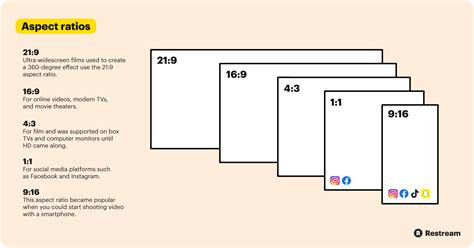
What was still a rarity back then is now standard: portrait-format videos have become indispensable, especially on social networks.
The rise of smartphones and platforms such as Facebook, Instagram and TikTok has also changed the type of content that is consumed today.
What used to be the television and the classic 1.78:1 aspect ratio is now the smartphone and the 1:1.78 format turned upside down.
And it’s not just the format itself that has changed, but also the way it is produced and consumed – here are a few examples of topics on which the aspect ratio had a big influence on.
On Cameras
Professional film cameras are not designed exclusively for vertical filming, leaving mobile devices as the primary option for optimized vertical recording in social media. While professional cameras can record vertically by turning on their side, this method poses stability challenges and demands additional equipment for secure rigging and effective cable management. The current filmmaking equipment is tailored for horizontal production, and advancements in technology are anticipated in response to increasing demand for vertical content. (cf. Clayton, 2019, S.8)
Power and Vulnerability
Psychologically, height symbolizes power, and classical filmmaking often employs low-angle shots for this effect. In vertical frames, this power dynamic is intensified, while looking down on a subject accentuates vulnerability. Without angles, a vertical frame can showcase vulnerability to nature, like walking in rain or swimming underwater.
(cf. Clayton, 2019, S.4)
On Depth
Capturing descents like underwater exploration, skydiving, or entering caves is challenging in a horizontal frame, often requiring a wide shot. Contrary to conveying failure, intentional downward journeys symbolize bravery and adventure for a protagonist. The vertical frame inherently accommodates upward and downward movements, enabling dynamic framing that emphasizes depth and height. High and low-angled shots enhance drama and perspective in portraying these actions. (cf. Clayton, 2019, S.5)
On Shot Sizes and Wasted Space
In traditional horizontal filmmaking, poorly framed shots often result in wasted space above or behind the subject’s head. Proper framing typically positions the subject just above the head, aligning the eyes with the upper line of thirds. However, in vertical filmmaking, where the frame naturally accommodates the vertical human form, conventional shot sizes need reconsideration. For instance, a horizontal close-up, measured to the shoulders, becomes an extreme close-up in a vertical frame, filling a significant portion of the screen. This prompts a question: should shot classifications be redefined for vertical filmmaking, or should shot sizes be executed differently? The inclination is towards the latter.
(cf. Clayton, 2019, S.6-7)
Questions like these are the reason why I want to take a closer look at this topic in the future.
The future of content consumed on mobile devices lies in portrait format and it will therefore continue to be very important to take a closer look at how the workflow, recording techniques and processing of content can be optimised, but it will also be very exciting to find out what the long-term consequences are for consumers and whether and, if so, how the perception of certain content changes.
What´s next?
More research on the perception of portrait and landscape format
Find out what possibilities the portrait format offers and check whether there is more potential.
Find examples in which the portrait format is compared with the landscape format.
Produce content in portrait and landscape format and check the effect on a test group.
Bibliography:
Clayton, R. (2019). Filmmaking Theory for Vertical Video Production. In The International Academic Forum. Abgerufen am 11. November 2023, von https://papers.iafor.org/submission52556/
Clayton, R. (2021): The Context of Vertical Filmmaking Literature, Quarterly Review of Film and Video, DOI: 10.1080/10509208.2021.1874853
1. Topic: Racism and stereotypes in the film industry
“When the 2016 Oscar acting nominations all went to whites for the second consecutive year, #OscarsSoWhite became a trending topic. Yet these enduring racial biases afflict not only the Academy Awards, but also Hollywood as a whole. Why do actors of color, despite exhibiting talent and bankability, continue to lag behind white actors in presence and prominence?” (Yuen, 2016) Given that the emergence of cinema coincided with the zenith of European imperialism, it‘s not surprising that European cinema often depicted colonized people in a negative and stereotypical manner. In fact, many of the misconceptions about people from the Third World can be traced back to the persistent portrayal of lazy Mexicans, deceitful Arabs, savage Africans, and exotic Asians on our movie screens. For instance, Africa was often depicted as a place inhabited by cannibals in films like ‚Rastus in Zululand‘ (1910), Mexicans were often reduced to ‚greasers‘ in movies such as ‚Tony the Greaser‘ (1911) and ‚The Greaser‘s Revenge‘ (1914), and the institution of slavery was romanticized while slaves were dehumanized in ‚The Birth of a Nation‘ (1915). Additionally, countless Hollywood westerns distorted history by portraying Native Americans as intruders on their own land, offering a skewed perspective that extended to the entire non-white world. (cf. Stam & Spence, 1983, S.6)
This leads to the consumers of these formats absorbing and spreading these false stereotypes, which can lead to further racism. To avoid this, it is important that false role models and prejudices are abolished in the future. Due to the circumstance that popular culture continually transforms itself, often presenting itself as innovative, it is essential to have a historical awareness of these concepts and representations. This understanding is vital for unraveling their persistence in contemporary times, as they tend to be more of a reinterpretation of deeply ingrained ideologies rather than entirely new creations. (cf. Dirks & Mueller, 2007, S.116)
Bibliography: Yuen, N. W. (2016). Reel inequality: Hollywood actors and racism. https://digitalcommons.biola.edu/faculty-books/109/ Stam, R. & Spence, L. (1983). Colonialism, racism and representation. Screen, 24(2), 2–20. https://doi.org/10.1093/screen/24.2.2 Dirks, D. & Mueller, J. C. (2007). Racism and popular culture. In Springer eBooks (S. 115–129). https://doi.org/10.1007/978-0-387-70845-4_8 Jha, M. (2015). The global beauty industry: colorism, racism, and the national body. https://openlibrary.org/books/OL28827904M/Global_Beauty_Industry Eglash, R. (2002). Race, Sex, and Nerds: From Black Geeks to Asian American Hipsters. Social Text 20(2), 49-64. https://www.muse.jhu.edu/article/31927.
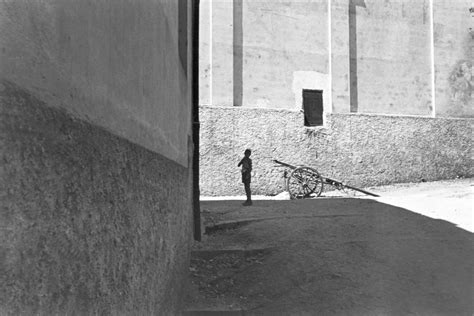
2. Topic: Street photography as a method of exploring new environments. A Videographic Documentation Approach of a Photographic Exploration Method in New Habitats.
The aim is to find out how the perception of new environments affects the artistic output of a street photographer and how this can be changed. The aim is to find out whether street photography can help to find one‘s way in new environments and whether a different form of tourist exploration emerges through this art form. Street photography is not purely useable for documentary or photojournalistic. This art also requires the ability to notice and pay attention to your surroundings. You always have to be curious and ready to capture the brief moments which inhabit the true unique of every place. (cf. Lewis, 2015)
The practical work here will be a videographic documentation of a photographer‘s exploration process of a new habitat. This process will be compared with classic tourists exploring the same environment and examined for differences and similarities. “An exploration of the many different appropriations of public spaces for photography shows that walking in city streets has not only been a central subject for fine art photography; it also has been one of its primary historical conditions.”(Tucker, 2012, S.7)
Bibliography: Tucker, J. (2012). Eye on the Street: Photography in Urban Public Spaces. Radical History Review, 7., https://doi.org/10.1215/01636545-1597979 Lewis, G. (2015). Street Photography: The Art of Capturing the Candid Moment. Rocky Nook, Inc. https://www.google.at/books/edition/Street_Photography/NRukBwAAQBAJ?hl=de&gbpv=1&dq=Street+Photography:+The+Art+of+Capturing+the+Candid+Moment.&printsec=frontcover Cuador, C. (2017). From street photography to face recognition: distinguishing between the right to be seen and the right to be recognized. Nova Law Review, 41(2), 3. https://nsuworks.nova.edu/cgi/viewcontent.cgi?article=1998 HYPERLINK „https://nsuworks.nova.edu/cgi/viewcontent.cgi?article=1998&context=nlr“& HYPERLINK „https://nsuworks.nova.edu/cgi/viewcontent.cgi?article=1998&context=nlr“context=nlr David Blumenkrantz (2009) Street Photography: A Bridge Between Documentary and Art, Visual Communication Quarterly, 16:2, 108-116, DOI: 10.1080/15551390902803846 Lindner, C., & Meissner, M. (2015). Slow Art in the Creative City: Amsterdam, Street Photography, and Urban Renewal. Space and Culture, 18(1), 4-24. https://doi.org/10.1177/1206331213509914
3. Topic: Changing perceptions of video formats through the development of social media.About attention span and content change.
In an era dominated by scrolling feeds and viral trends, the influence of social media on videos has been nothing short of revolutionary. The goal here would be a exploration of the profound impact of platforms like TikTok, Instagram, and YouTube on the way we consume motion pictures, altering our perception of storytelling and challenging our attention spans like never before.
„As of July 2023, there were 5.19 billion internet users worldwide, which amounted to 64.6 percent of the global population. Of this total, 4.88 billion, or 59.9 percent of the world‘s population, were social media users.“ (Internet and Social media Users in the World 2023 | Statista, 2023)
In 2016, video content usage by marketers surged, with over 60% of them incorporating videos into their strategies, and 73% reported an increased focus on video in social media marketing. Marketers also recognized video as a more potent conversion tool compared to other content formats. These trends highlight video‘s marketing potential on social media but also underscore the challenge of engaging viewers and maintaining their attention in the fast-paced digital landscape. (cf. Coker et al. 2017, S.75)
These figures show that this issue is more important than ever, as it affects more and more people. The questions that arise are:
How does the excessive use of social media affect the perception of moving image content? How do the ever-shortening formats affect attention spans? How is it possible to generate successful content that does not negatively influence the perception of consumers? How has social media changed the form of storytelling?
Bibliography: Internet and Social media Users in the World 2023 | Statista. (2023, 22. September). Statista. https://www.statista.com/statistics/617136/digital-population-worldwide/ Coker, K., Flight, R. & Baima, D. (2017). SKIP IT OR VIEW IT: THE ROLE OF VIDEO STORYTELLING IN SOCIAL MEDIA MARKETING. https://www.researchgate.net/. Abgerufen am 5. Oktober 2023, von https://www.researchgate.net/profile/Richard-Flight/publication/327755028_Skip_it_or_View_it_The_Role_of_Video_Storytelling_in_Social_Media_Marketing/links/60c7ad2a458515dcee8f02c5/Skip-it-or-View-it-The-Role-of-Video-Storytelling-in-Social-Media-Marketing.pdf Zhao, X., Lampe.C. & Ellison. N., (2016). The Social Media Ecology: User Perceptions, Strategies and Challenges. In Proceedings of the 2016 CHI Conference on Human Factors in Computing Systems (CHI ‚16). Association for Computing Machinery, New York, NY, USA, 89–100. https://doi.org/10.1145/2858036.2858333 Watkins , I., Golbeck, J. & Huang, M., (2012) Understanding and Changing Older Adults‘ Perceptions and Learning of Social Media, Educational Gerontology, 38:4, 282-296, DOI: 10.1080/03601277.2010.544580 Ardèvol-Abreu, A., & Gil de Zúñiga, H. (2017). Effects of Editorial Media Bias Perception and Media Trust on the Use of Traditional, Citizen, and Social Media News. Journalism & Mass Communication Quarterly, 94(3), 703-724. https://doi.org/10.1177/1077699016654684